

What you need to know: Imbalu, the Bagisu rite of passage that keeps culture alive
- 3 weeks Ago
- 0 Comment
- 3 Min Read
Today, the Bagisu (Bamasaba) community officially launches the 2026 Imbalu circumcision season at the historic Mutoto Circumcision Grounds in Mbale District. The launch marks the beginning of one of Uganda’s most celebrated cultural traditions and signals the start of months of ceremonies across the Bugisu sub-region.
To officially open the season, five candidates will undergo traditional circumcision at Mutoto, setting the stage for the rituals that will subsequently take place across the 26 Bamasaba clans in the seven districts of Bugisu. Thousands of people, including cultural leaders, community members, and visitors, are expected to witness the launch.
Imbalu is a centuries-old rite of passage practiced by the Bagisu and some neighbouring communities. Held every even-numbered year, the ceremony marks a young man’s transition into adulthood and symbolises courage, responsibility, and belonging within the community.
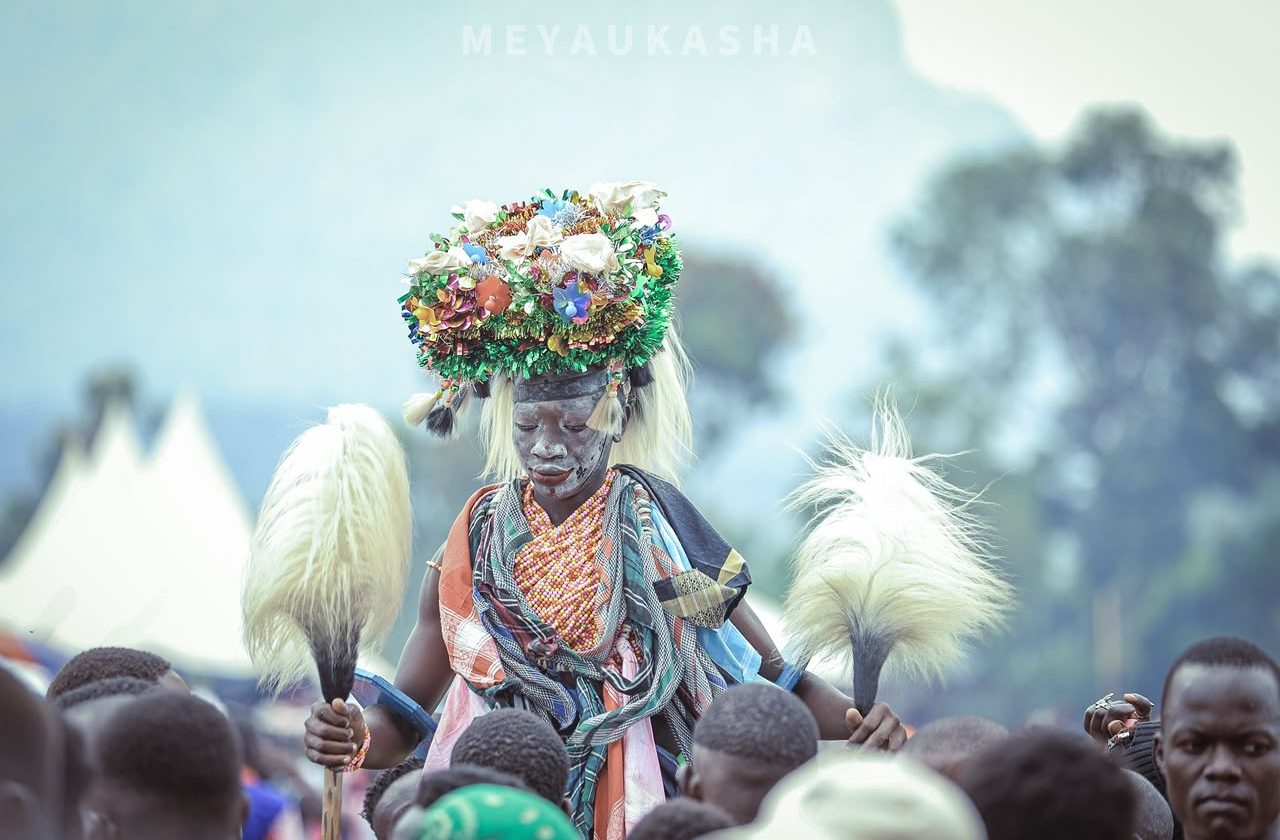
The celebrations are characterised by vibrant displays of culture. Before undergoing circumcision, candidates are accompanied by family, friends, and well-wishers in lively processions filled with traditional music, drumming, dancing, and singing. They are adorned in animal skins, beads, and other traditional regalia, reflecting the rich cultural identity of the Bamasaba people and the significance of the occasion.

Kadodi – The Rhythm of Imbalu
Kadodi is the iconic dance of the Imbalu circumcision ceremony. Characterised by energetic drumming, singing and dancing through villages and trading centres, Kadodi announces the presence of circumcision candidates and rallies communities to celebrate their courage.
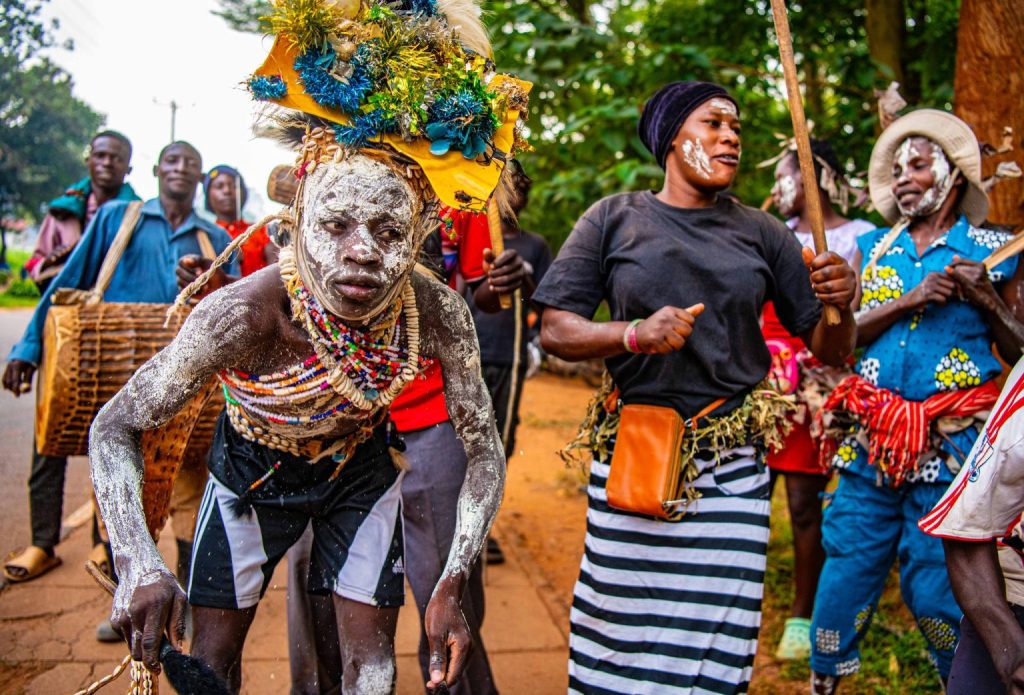
Beyond Kadodi, other traditional dances performed during the season include Inemba and Isonja, each reflecting the rich cultural diversity and heritage of the Bamasaba people.
Following today’s launch, the Imbalu ceremonies will spread across the region as each of the 26 clans conducts circumcision rituals for its candidates. The season provides an opportunity for communities to come together, celebrate their shared heritage, and pass on cultural knowledge and values to younger generations.
Beyond its ceremonial significance, Imbalu is an important expression of Uganda’s living heritage. It preserves indigenous knowledge, oral traditions, music, dance, and cultural practices while strengthening community identity and social cohesion. The ceremony also attracts visitors from within Uganda and abroad, contributing to cultural tourism and local livelihoods.
CCFU recognises the importance of safeguarding living heritage such as Imbalu. Cultural traditions are an integral part of Uganda’s identity and play a vital role in promoting dialogue, diversity, and sustainable development. As the 2026 Imbalu season begins, CCFU joins the Bamasaba community in celebrating a tradition that continues to connect generations and keep Uganda’s rich cultural heritage alive.