
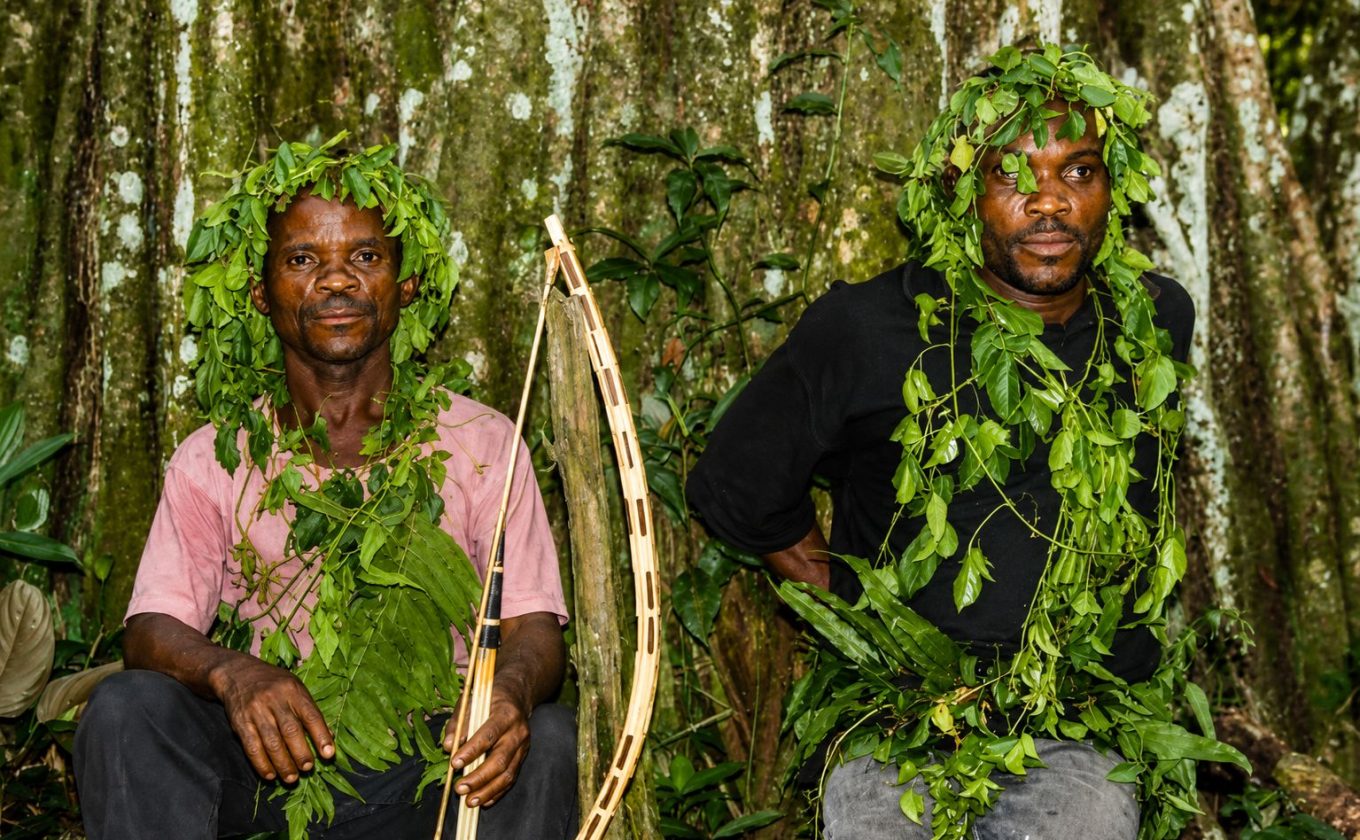
For generations, the forest was the Batwa’s home, food store, pharmacy and sacred ground. It provided everything from wild foods and medicinal plants to places where stories were told, traditions passed on and communities connected with their ancestors. Today, most Batwa live outside the forests that once shaped their way of life. Yet, despite decades of displacement and marginalisation, their culture continues to endure.
The Batwa are one of Uganda’s Indigenous minority communities, traditionally associated with the forests of southwestern Uganda. According to the 2024 Census, an estimated 3,857 Batwa live in Uganda, making up about 0.01 per cent of the country’s population. They are mainly found in Bundibugyo, Kabale, Rukiga, Rubanda, Kisoro, Kanungu and Rukungiri.
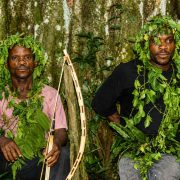
For centuries, Batwa communities lived in forests including Bwindi, Mgahinga, Echuya and Semuliki. They hunted and gathered, developed extensive knowledge of plants and wildlife, and passed this knowledge from one generation to another. The forest was not simply a source of food or income. It was deeply woven into Batwa identity, culture and spirituality.

That relationship changed as conservation policies transformed the forests.
As forests were gazetted and managed as protected areas, Batwa communities were displaced from their ancestral homes and lost access to many of the resources on which their lives depended. In the early 1990s, for example, the gazetting of Semuliki as a national park resulted in the eviction of people living in the area, including Batwa communities. Similar displacement occurred around Bwindi and Mgahinga as conservation efforts intensified.
At the same time, agricultural expansion, settlement and logging placed additional pressure on forest land and further restricted Batwa access to their traditional territories.
For communities that had lived in the forest for generations, the consequences went far beyond losing a physical home.
When the Batwa lost access to the forest, they lost access to a way of life.
Traditional hunting and gathering became increasingly difficult. Knowledge of medicinal plants could no longer be practised in the same way. Sacred places became harder to reach. And the landscapes that carried stories about ancestors and community history were no longer freely accessible.
The Batwa were also forced to adapt to livelihoods that were unfamiliar to many families. Communities that had traditionally depended on hunting and gathering increasingly turned to settlement and agriculture, often without secure access to land.
“Our community was evicted without compensation from our original home in what is now the Semuliki National Park.Our culture and knowledge of the forest is also disappearing.”, Kainta Wilson, Prime Minister of the Batwa in Bundibugyo noted.
Some relocation programmes provided Batwa families with land or short-term leases, but these initiatives reached only a portion of the community and did not resolve the wider question of ancestral land rights. Many Batwa ended up living on the edges of neighbouring communities, with limited access to secure land and basic services.
This history continues to shape everyday life.
Many Batwa communities face challenges accessing education, healthcare, clean water, employment, food and secure housing. Education remains particularly important. Historically, Batwa children have experienced low school enrolment and literacy levels, although Batwa-led organisations and other civil society groups are increasingly working to change this.
And yet, it would be incomplete to tell the Batwa story only through vulnerability.
Their culture has survived.
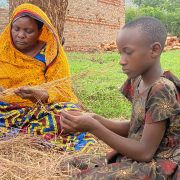
Through music, dance and storytelling, Batwa communities continue to express their history and identity. Their knowledge of forests, plants and wildlife remains an important part of their cultural heritage. Kuswa, their language, continues to carry stories and knowledge from one generation to another.
For the Batwa, preserving this heritage is therefore not simply about looking back. It is about ensuring that younger generations can understand where they come from and carry that identity into the future.
Their struggle for recognition has also taken place in Uganda’s courts.
In 2013, Batwa community representatives petitioned the Constitutional Court, seeking restitution of their ancestral lands and redress for human rights violations associated with their displacement. On 19 August 2021, the Constitutional Court delivered a landmark ruling, finding that the Batwa had been illegally evicted from their ancestral lands by government and its agencies. The Court also recognised the Batwa as a marginalised group and directed that measures be considered to provide redress and affirmative action.
The ruling was an important victory, but it did not immediately resolve the question of ancestral land restitution. The government and relevant agencies appealed the decision, leaving the wider question of redress unresolved.
Meanwhile, Batwa communities continue to organise and advocate for their rights.
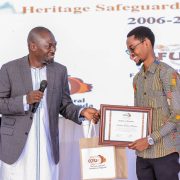
It is within this wider effort that the Cross-Cultural Foundation of Uganda (CCFU) has worked with Batwa communities to promote cultural rights, safeguard heritage and strengthen inclusion.
For CCFU, preserving Batwa heritage also means making sure children can encounter their culture in everyday spaces, including school.
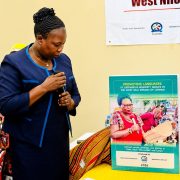
In Bundibugyo, CCFU worked with Batwa elders and Uganda Wildlife Authority officials to develop learning materials in Kuswa, giving Batwa children an opportunity to learn about their language and cultural heritage within the school environment.
“The materials produced are meant to provide access to the remnants of the Batwa language and culture,” CCFU’s Fredrick Nsibambi explains.
The Foundation has also supported the construction of a dormitory at Bugombwa Primary School, and pays school fees for Batwa children, helping improve access to education for Batwa children.
Beyond education, CCFU has supported the documentation of Batwa oral histories, cultural practices and traditional knowledge. This work helps preserve stories and knowledge that might otherwise be lost as the community’s relationship with its traditional environment continues to change.
“The materials produced are meant to provide access to the remnants of the Batwa language and culture,” CCFU explains.
Through its broader cultural rights work, CCFU also supports spaces where Indigenous minority communities can raise their concerns, advocate for their rights and participate in conversations about decisions affecting their culture, heritage and livelihoods.
For CCFU, this work is rooted in the belief that communities should not simply be represented in conversations about their heritage, they should have a voice in shaping its future.
Today, the Batwa population remains small. Census figures show a decline from 6,198 people in 2014 to 3,857 in 2024. Behind those numbers are families, stories, languages, traditions and generations of knowledge.
The forest may no longer be home for most Batwa communities, but the connection has not disappeared.
It lives in their songs and dances. It lives in their stories and language. It lives in their knowledge of the natural world and in the memories passed down through generations.
The story of the Batwa is therefore not only a story of displacement. It is a story of resilience, cultural survival and the determination of a community to remain visible and heard.
As Uganda looks to the future, the challenge is not simply to help the Batwa adapt to life outside their ancestral forests. It is to ensure that their rights, knowledge, culture and voices are recognised as an essential part of Uganda’s living heritage.
The forest was home. The culture remains. And the future of the Batwa should be shaped with them, not for them.