
Indigenous Minority Groups in West Nile launch a campaign to promote their languages
- 6 days Ago
- 0 Comment
- 4 Min Read
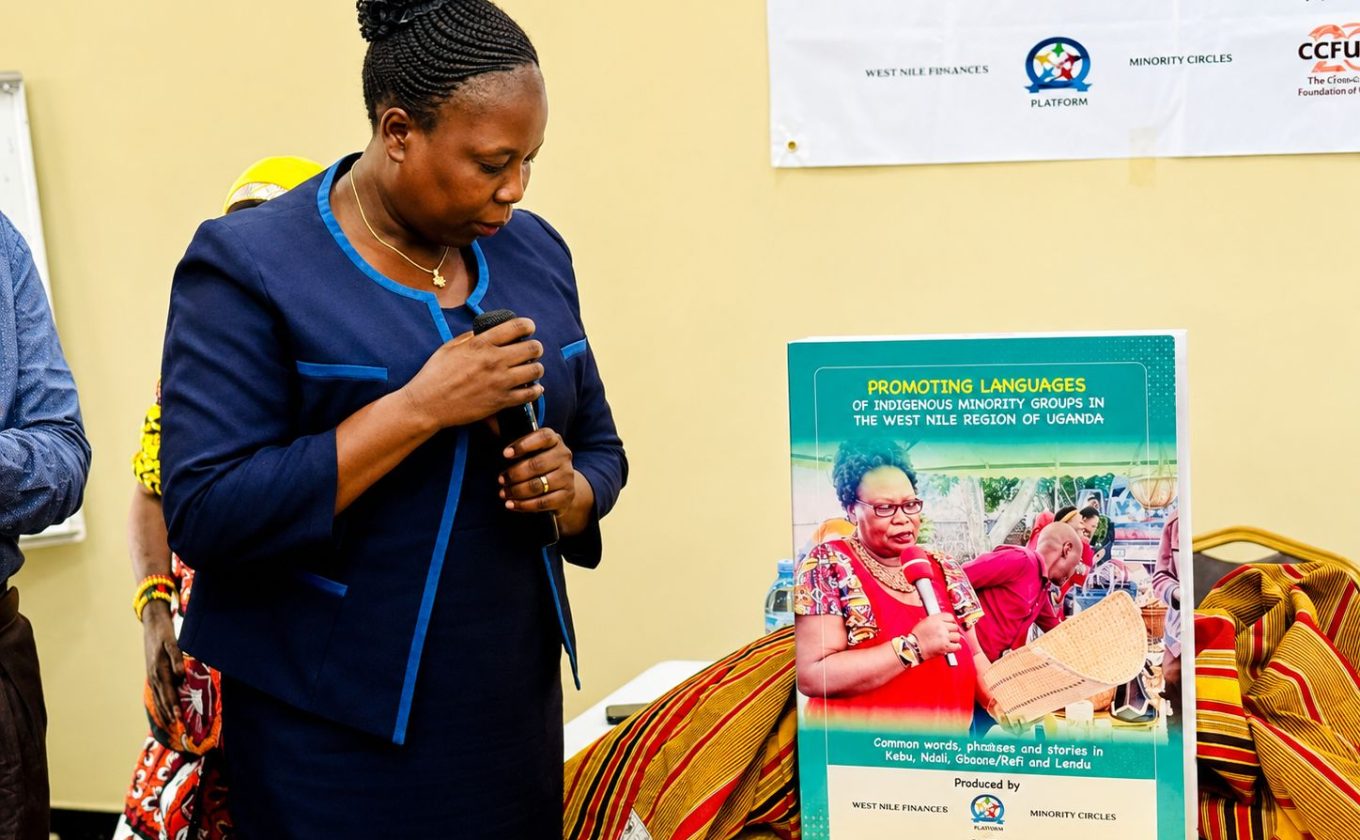
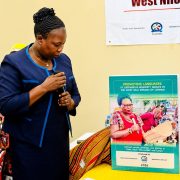
The West Nile Indigenous Minority Groups (IMGs) Platform with support from the Cross-Cultural Foundation of Uganda has published a book entitled “Common words, numbers and stories in Kebu, Nubi, Gimara/Reli and Lendu”, meant to provide access to the remnants of the Indigenous Minority Groups languages and cultures by learners from the five IMGs in the West Nile region.
The book was produced as a result of the concern that young people from the IMG communities in the West Nile region rarely access aspects of their language in the formal learning spaces due to the government policy and the thematic curriculum for lower primary in which learners are taught in the local language of a dominant community in a given area.

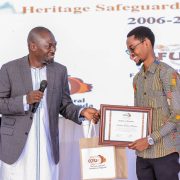
The book launch, which took place in Arua City on 12th August, 2026 at Tropical Suites Hotel attracted various stakeholders including representatives of the five IMGs in West Nile that is; Lendu, Kebu, Gimara, Reli, and Nubi, representatives of district local governments from Arua, Obongi, Koboko and Zombo, Uganda Human Rights Commission, representatives from cultural institutions, religious leaders, resource persons who supported the review of the book, academia, media, and community members who shared their opinions, experiences and recommendations concerning the rights of IMGs to safeguard their cultures.
While addressing the participants, the Chairperson of the West Nile Indigenous Minority Groups platform, Mr. Sam Ondiba, said that seeing their languages at a risk of diminishing, they chose to document aspects of such languages; “We chose to come up with the book to promote our languages and preserve them in a documented way simple enough for learners to understand.” He thanked CCFU for forwarding their voices to policy makers and concerned stakeholders hence their voices are now heard. He promised that they will keep engaging all stakeholders to move together with the majority of the people and appeals to all education officers in the West Nile region to mainstream the contents of book into what is taught in schools.
Mr. Jafaru Yusuf Oyobo, Sultan of the Mulki Ta Nubi (an upcoming cultural institution for the Nubi) said that the launch was not just a book celebration but a celebration of where they have come from, who they are and what they want to pass on to the next generation. “Culture can’t be practiced by words alone but should be documented, taught, transmitted and safeguarded. It shouldn’t be about the past but a direction used to engage the future.” Mr. Jafaru added.
On behalf of CCFU, Fredrick Nsibambi, the deputy executive director, said that all languages of the 5 IMG groups are at risk of extinction, that’s why CCFU chose to support the production of the publication to contribute to the safeguarding of indigenous languages. He added that similar work has been done in other places like Rwenzori for languages to be rooted in communities. Mr. Nsibambi raised the need to profile infomation about the IMGs in west Nile.
District Education Officer for Zombo district urged all stakeholders to join hands in ensuring that the culture and languages of the 5 IMGs is preserved. He proposed that each group should have its own language board. He requested CCFU to look for other partners to support the IMGs who have no orthographies for their language and guide in language development.
Reverend Amos Aliyo asked the IMG platform to always engage religious leaders on matters concerning culture and promised to be present for such engagements. He appealed to all cultural and religious leaders not to “pull ropes” but join hands to ensure that culture and religion are spaces for unity not conflicts.
Caroline Ocada-, a founding member of the West Nile IMG platform, encouraged the current leadership to ensure that the books are well disseminated and used. She appealed to the journalists not to take sides but be very realistic while reporting on matters concerning IMGs.
CCFU has for the past many years advocated for the rights of various Indigenous Minority Groups in the country through its cultural rights programme to ensure that their voices and concerns reach all duty bearers and concerned stakeholders.