
The revival of a hot spring restores hope for the community
- 33 minutes Ago
- 0 Comment
- 5 Min Read

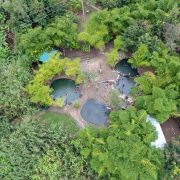
On a Saturday evening at Kyiriba Kyathumba, the sound of flowing water mixes with birdsong, conversation and traditional melodies. Visitors soak in the warm waters while children explore the green surroundings. Food vendors serve refreshments, guides move between the pools, and local families go about their businesses.
The springs are more than a place to relax. For generations, they have been a place of healing, cleansing, spiritual practice and community life for the Bakonzo people.
Local traditions hold that the waters possess healing powers, particularly for skin diseases, bone-related ailments and general body weakness. Spiritual leaders, bonesetters and ridge leaders traditionally cleanse themselves at the springs before and after worship and rituals. Community members also seek cleansing after breaking certain taboos.
The springs are governed by traditional beliefs and taboos that protect them from desecration. Among these is a prohibition against immoral behaviour at the site, which is traditionally believed to bring serious consequences to the offender or their family. There are also restrictions around mentioning the name of the god of water while at the springs, as this is understood to invoke the spiritual power associated with the site.
Yet until 2021, this important heritage site was in decline.

Flooding from Nyakabingo Stream had washed away vegetation and deposited large amounts of silt in the springs. Only one spring remained functional. The area was poorly managed, attracted few visitors and had become associated with insecurity.
“It was all grey, with no green cover; all the trees had been washed away, and there was only one hot spring working,” recalls neighbouring community member Jonah Bazale.
The turning point came when the Cross-Cultural Foundation of Uganda (CCFU), together with the International National Trusts Organisation (INTO), supported the community through the Melting Snow and Rivers in Flood project, with funding from the British Council’s Cultural Protection Fund.
Kyiriba Kyathumba was documented as a cultural heritage site threatened by climate change. Rather than treating conservation as something to be done for the community, the project supported local people to take responsibility for the site themselves.
In the initial phases of the project, a management committee was established, bringing together community members, local government and Obusinga Bwa Rwenzururu Cultural Institution. The community developed a management plan and began restoring the site by desilting the springs and Nyakabingo Stream, planting bamboo and trees, training tour guides, improving sanitation and erecting information signage.
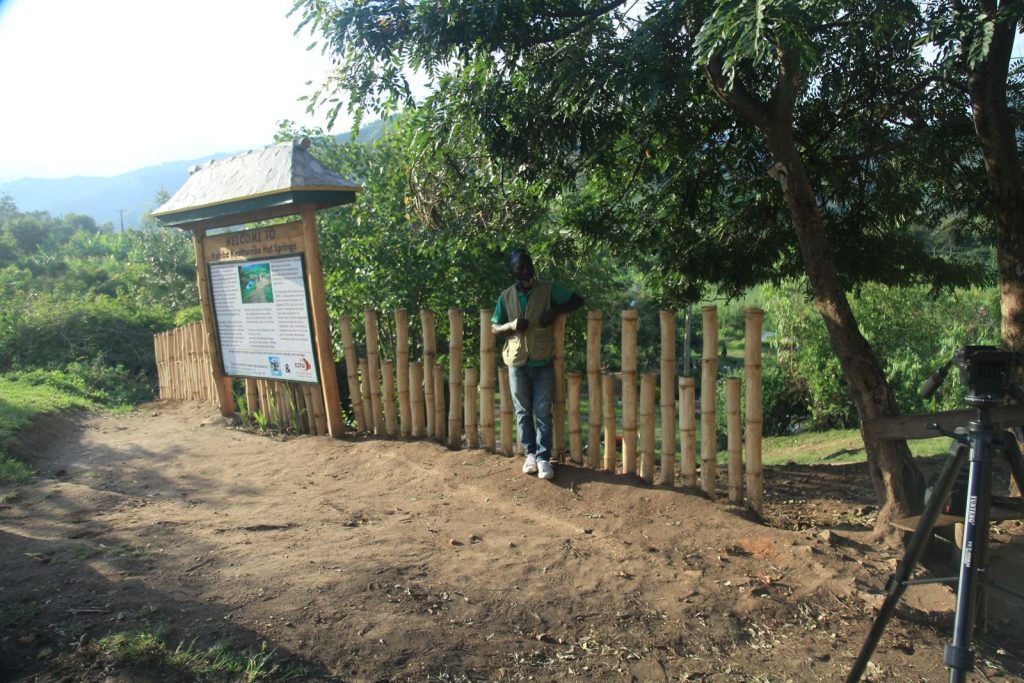
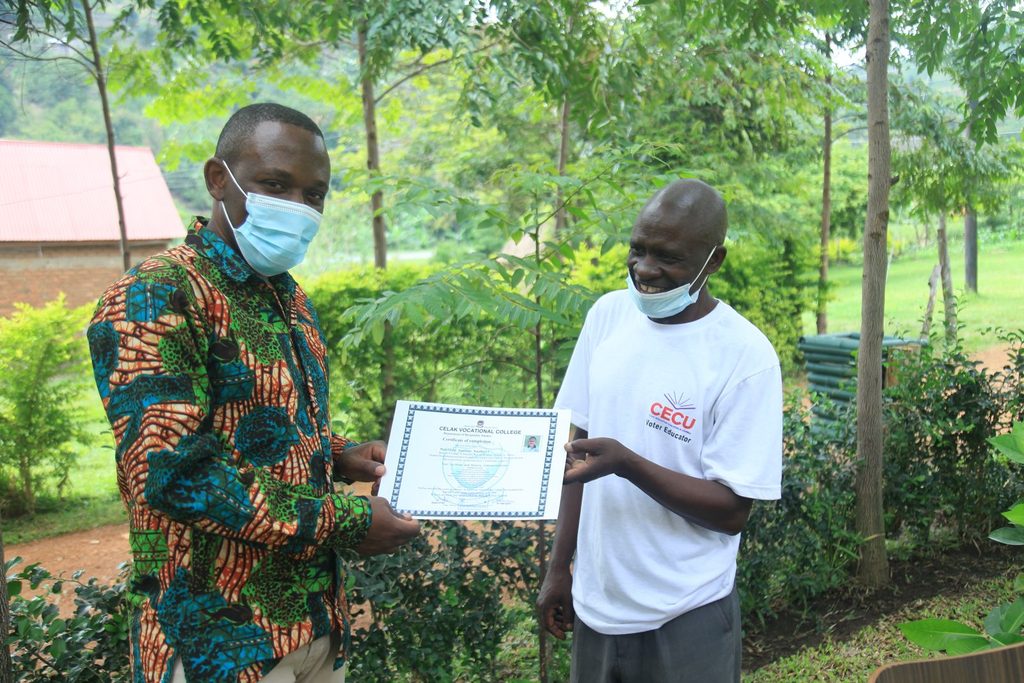
The results have been significant.
Visitor numbers have grown from around 20 people a day to as many as 300. The community introduced a modest entrance fee, which contributes to site maintenance and has helped create jobs for guides, cleaners and security personnel. Other businesses have followed, including food stalls, massage services and accommodation, which have been transformed by the expansion of infrastructure, including access to electricity.
For 20-year-old Betty Kabugho, the springs have become a source of livelihood. She sells fruit at the site and says that on a good day she can make between UGX 50,000 and 70,000.
For Ann Nyamusana Anifa, the site provided a new opportunity after her catering and hotel training business was affected by COVID-19. Today, she sells juice, tea and snacks to visitors.
“Patients come with caretakers who want to drink and eat. So, this space provides me an opportunity to earn,” she says.
The community’s ambitions now extend beyond tourism. In December 2024, members established a savings and credit cooperative and had saved UGX 13 million, which they used to purchase land for a planned community health centre. The association, with 420 members, also supports older people with basic household items and helps young people with education expenses.
The restoration has also strengthened the community’s response to climate change. Bamboo and other trees have been planted around the site to help reduce runoff, while the community continues to work on desilting Nyakabingo Stream to protect the springs from flooding.
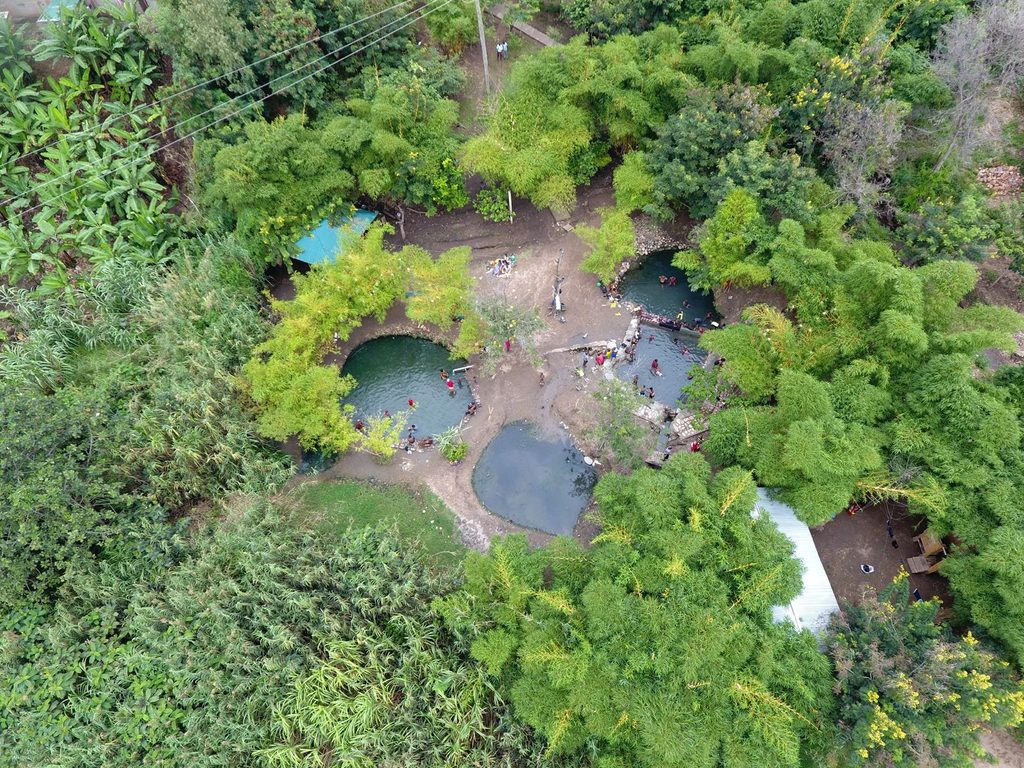
The site has also attracted support from other stakeholders; for example, the Ministry of Water and Environment has supported them in establishing a craft shop at the site that provides gifts and souvenirs to guests.
The work is not without challenges. The stream still requires regular maintenance, and the community must continue balancing increasing visitor numbers with the protection of the wetland and hot springs.
Yet Kyiriba Kyathumba offers an important lesson. Safeguarding heritage can also be a pathway to resilience and livelihoods.
For CCFU, heritage safeguarding is about more than preserving buildings or sites. It is about working with communities to protect the places, knowledge, practices and natural environments that matter to them, and ensuring that these resources continue to contribute to community wellbeing.
At Kyiriba Kyathumba, a once-neglected natural heritage site is once again full of life. Its revival has restored more than the hot springs. It has restored a sense of possibility for the community that calls this place home.