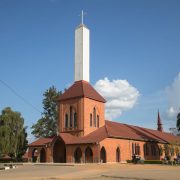


Historic Building of the Week: St. James Anglican Cathedral, Ruharo
- 29 minutes Ago
- 0 Comment
- 4 Min Read

Standing on Ruharo Hill in Mbarara, St. James Anglican Cathedral is more than a place of worship. It is a landmark that carries layers of Uganda’s religious, architectural and social history, reflecting the people, ideas and circumstances that shaped the development of Ankole.
Constructed between 1930 and 1932, St. James was the first Anglican church built at Ruharo Hill after Protestant worshippers moved from Kamukuzi Hill, where an earlier church had been established. Its construction is remembered through a remarkable story of community commitment. Coins were reportedly passed by rope from the older church at Kamukuzi to the new site at Ruharo, where they were used as resources towards the construction of the new church. The story offers a glimpse into the collective effort and determination that went into establishing a new centre of worship.
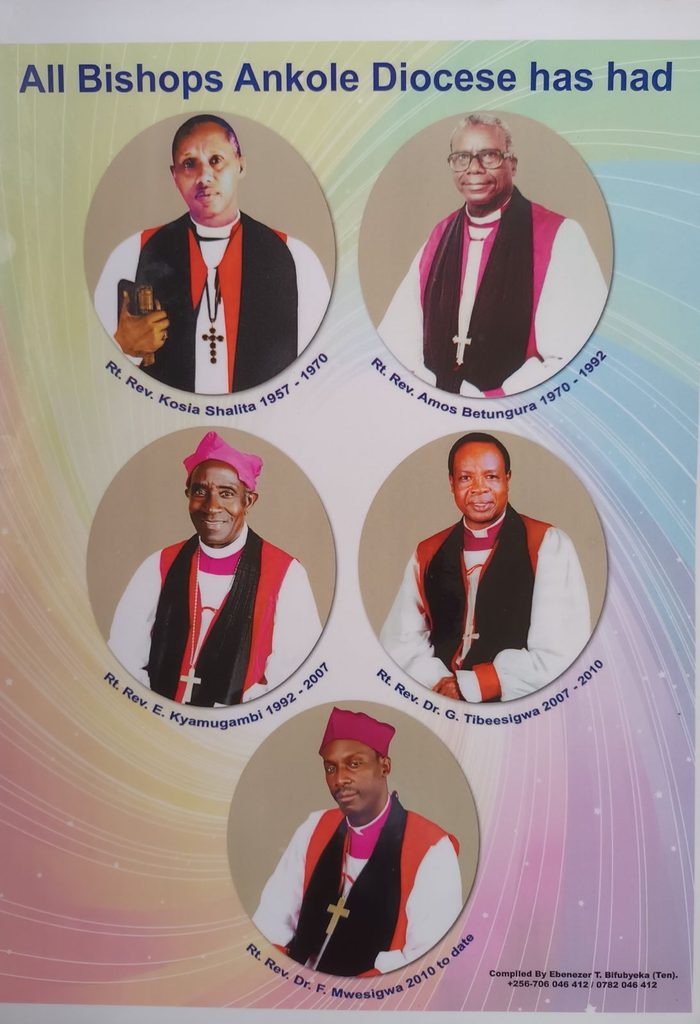
The church was initially built as an ordinary Anglican church but was later consecrated as a cathedral in 1957, marking an important milestone in the history of the Anglican Church in the region. Over the years, five bishops have served at the cathedral: Rt. Rev. Kosiya Shalita, Rt. Rev. Amos Betungura, Rt. Rev. Elisha Kyamugambi, Rt. Rev. George Tibeesigwa and the current bishop, Rt. Rev. Sheldon Mwesigwa.
The history of St. James is closely connected to the history of Ruharo Hill itself. The name “Ruharo” is associated with forced community service, as people were reportedly drawn from different parts of the Ankole Kingdom to undertake unpaid labour on the hill during the administration of Nuwa Mbaguta, Prime Minister of Ankole from 1898 to 1937. The hill therefore carries a history that extends beyond the cathedral, reflecting the political, social and economic systems of the time.
The cathedral also represents an interesting meeting of architectural ideas and local building traditions. Lazaro Kamugungu, who served as Prime Minister of the Ankole Kingdom from 1937 to 1946, is credited with designing the church after being inspired by the churches he encountered during a visit to England. Yet, despite the European influence in its design, the church was constructed using unburnt bricks, drawing on materials and building practices available locally at the time. Its architecture therefore tells a story of cultural encounters, adaptation and local ingenuity.
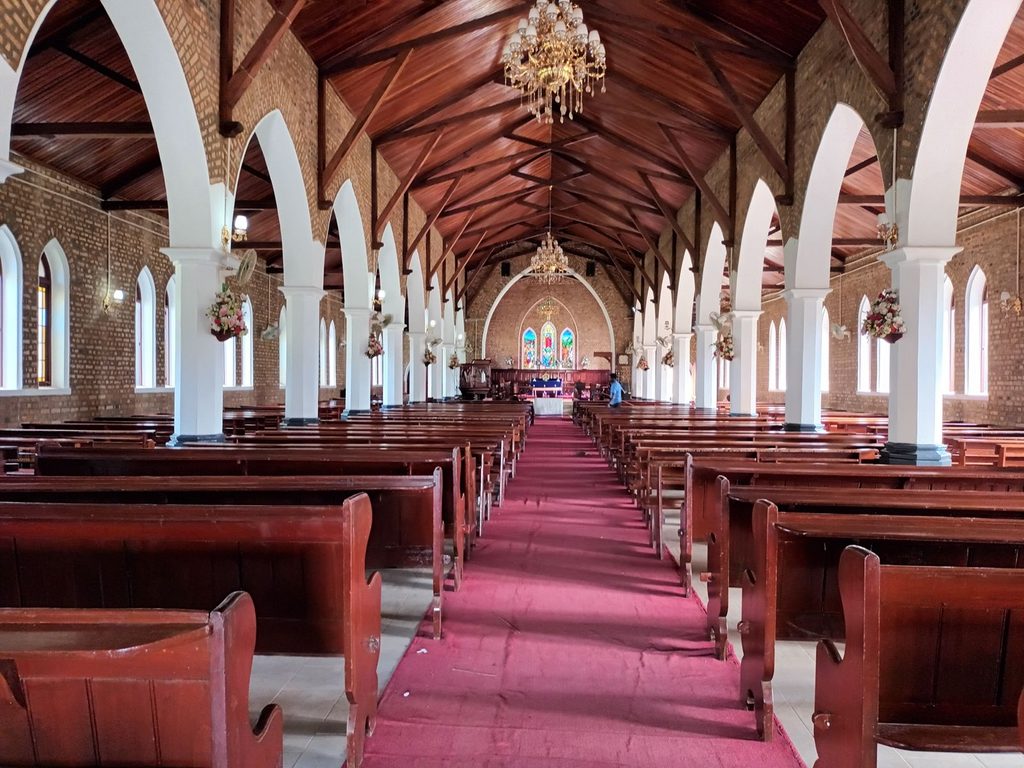
Like many historic buildings, St. James has continued to evolve while remaining an important part of community life. In 2021, the cathedral underwent modifications that included the addition of a new spire, new iron sheets and timber on the roof. Such interventions raise an important heritage question. How can historic buildings be maintained and adapted to meet contemporary needs while retaining the character, stories and features that connect them to the past?
At the Cross-Cultural Foundation of Uganda (CCFU), we believe that heritage is an important part of understanding who we are and shaping sustainable development. Our work on heritage safeguarding includes documenting and promoting cultural heritage and supporting communities to recognise, protect and use heritage as a resource for present and future generations. This encompasses both built heritage, such as historic buildings, monuments and cultural sites, and natural heritage, including culturally significant landscapes, forests, sacred natural sites and other places where cultural and ecological values are deeply connected.
Safeguarding heritage does not mean keeping places frozen in time. It means ensuring that historic buildings such as St. James Anglican Cathedral can continue to serve their communities while their historical significance and character are understood and respected. It also means working with communities to protect natural heritage and sustain the traditional knowledge, practices and memories associated with these places.
The story of St. James Anglican Cathedral reminds us that heritage lives not only in buildings, but also in the stories, memories and practices connected to them. From coins passed by rope between Kamukuzi and Ruharo to a locally built church inspired by architectural ideas encountered in England, the cathedral embodies the movement of people, knowledge, faith and ideas across generations.
As Uganda continues to develop, safeguarding places such as St. James Anglican Cathedral ensures that the future remains connected to the past, and that the buildings, landscapes and stories that tell our collective history are not lost.