

School Support Visits Highlight the Growing Impact of Heritage Clubs in Masaka and Kyotera
- 4 weeks Ago
- 0 Comment
- 3 Min Read
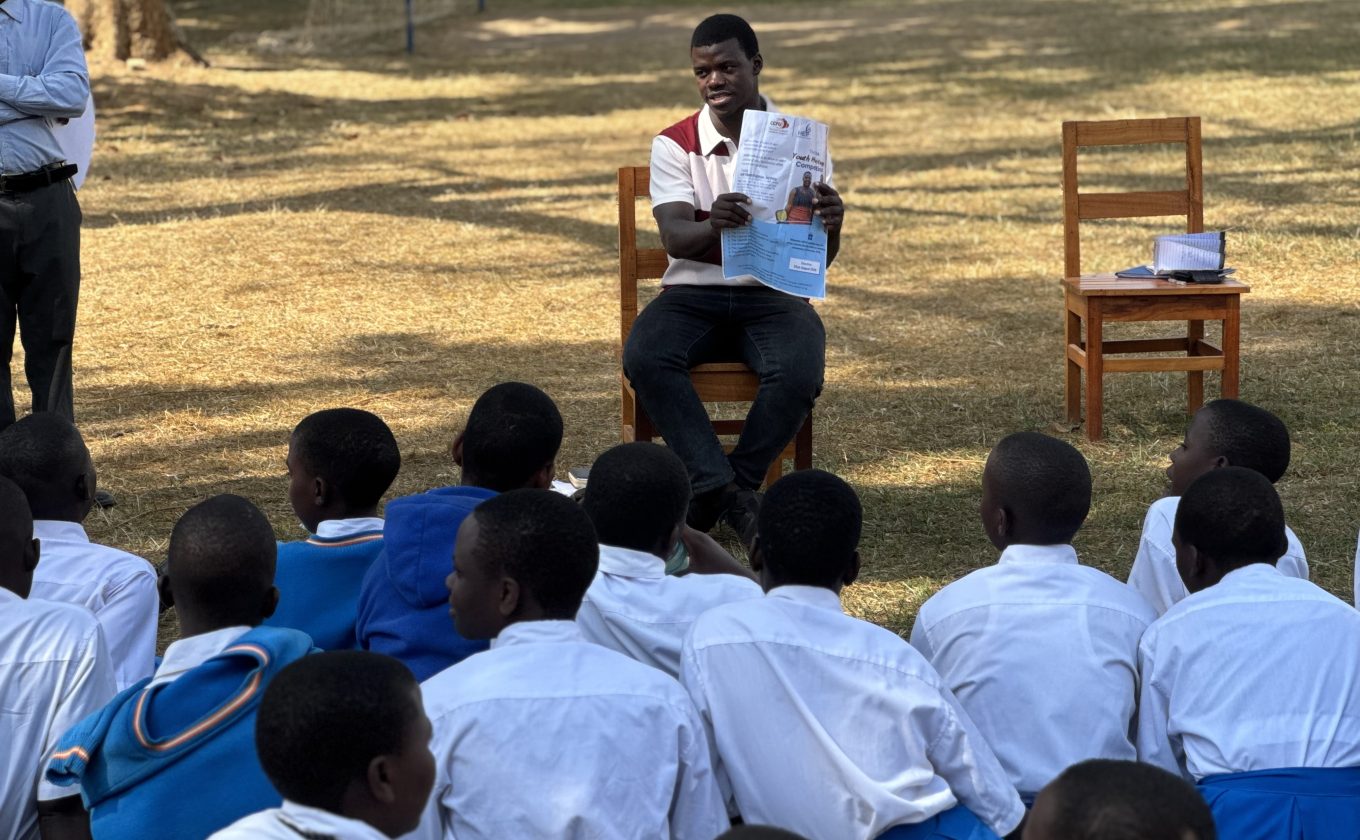
The Cross-Cultural Foundation of Uganda (CCFU) conducted school support visits to Heritage Clubs in Masaka and Kyotera districts from 21st to 24th July 2026. The visits aimed to assess the status of Heritage Clubs, review activities implemented, document achievements, identify challenges, and provide technical support to teachers and learners implementing the Heritage Education Programme.
A total of 16 schools were visited, offering valuable insights into how learners and teachers are using heritage education to preserve Uganda’s cultural heritage while developing practical skills, creativity and leadership.
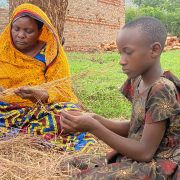
One of the standout examples was Sacred Heart Secondary School, where the Heritage Club is preserving the traditional skill of barkcloth making by passing it on to younger generations. Fifteen-year-old Jero Ssemakula (not his real name) learnt the craft from his father and now trains fellow club members.

“I am very proud that I know how to make barkcloth at my age. Our family earns from it, and I will carry forward my father’s legacy. I thought I should teach it to other young people,” he said.
The visits also revealed that Heritage Clubs are contributing to learners’ personal development. At Blessed Sacrament Secondary School in Masaka, students shared how participation in club activities has improved their confidence and leadership skills.
“I used to fear speaking in front of people, but because of the Heritage Club, now I can,” said Levi, a club member.
The programme continues to nurture creativity through initiatives such as the National Heritage Drawing Competition. Alex, the overall winner of last year’s competition from St. Bruno Sserunkuma Secondary School, explained how the competition has motivated him to pursue his artistic talent further.
“I used the prize money to buy painting materials. This competition has encouraged me to do more, and I am going to be a better competitor this year.”
According to the school’s headteacher, the recognition also brought positive visibility to the school. Following the publication of the winning artwork in the National Heritage Calendar, the school attracted prospective learners from different parts of the country, demonstrating how heritage education can contribute to institutional recognition.
Across the schools visited, Heritage Clubs are taking different approaches to promoting culture. Some clubs have established small cultural enterprises producing crafts and artwork, while others showcase traditional music and dance during school events. In several schools, learners make cultural products such as pottery, moulding and crafts as part of their project work, complementing the school curriculum while developing practical and entrepreneurial skills.

Despite these successes, several challenges continue to affect the sustainability of Heritage Clubs. High teacher turnover remains one of the biggest obstacles, as trained teachers often leave schools, leaving clubs without active mentorship. In some cases, limited administrative support means clubs become inactive after the departure of the patron teacher. Private schools also cited limited time for extracurricular activities, as academic schedules often take priority.
The support visits reaffirmed the importance of continuous engagement with schools. Through regular monitoring, mentorship and knowledge sharing, CCFU can identify emerging challenges, celebrate good practices and strengthen the implementation of the Heritage Education Programme. The lessons from Masaka and Kyotera demonstrate that, with sustained support from schools and communities, Heritage Clubs continue to equip young people with cultural knowledge, practical skills, creativity and a sense of pride in Uganda’s rich cultural heritage.