
Conservationists from Bunyoro and Rwenzori trained to mainstream Indigenous Knowledge into conservation for Chimpanzee habitats
- 1 month Ago
- 0 Comment
- 2 Min Read
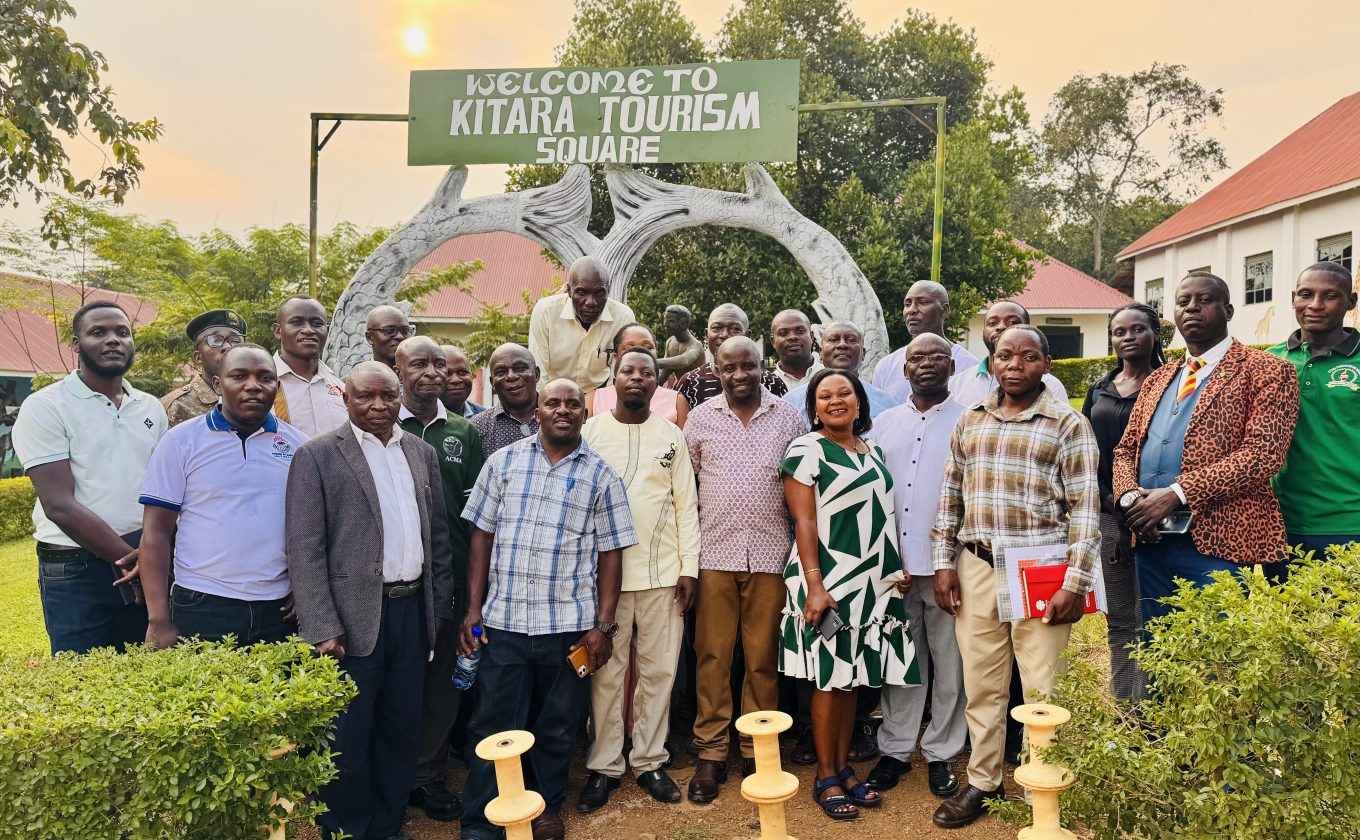
The Cross-Cultural foundation of Uganda (CCFU), under its Arcus funded project “Consolidating the Cultural Approach to Chimpanzee Conservation in the Rwenzori and Bunyoro Regions of Uganda.” conducted a 2 day training at Glory Summit Hotel in Hoima from 30th June to 1st July, 2026 for representatives of conservation actors drawn from the Bunyoro and Rwenzori regions on mainstreaming of culture and indigenous knowledge (IK) into chimpanzee habitat conservation. The project seeks to strengthen the recognition and integration of cultural values, indigenous knowledge systems, and traditional conservation practices into contemporary chimpanzee conservation efforts.
The main objectives of the training were i). to enhance participants’ appreciation of the existing indigenous knowledge and cultural practices related to biodiversity conservation and ii). to collectively develop practical skills, guidelines and strategies for mainstreaming Indigenous Knowledge and cultural practices into our biodiversity conservation programmes, practices and policies.
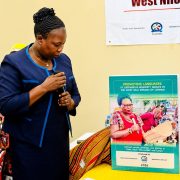
Representatives were from cultural institutions, district local governments, civil society organizations, media, education sector, government institutions, community based organizations and other relevant conservation agencies. In the welcome remarks, the Ms Veronica Mbahenzireki, Tourism Officer for Hoima District local government thanked CCFU for the great efforts towards conservation of various aspects of the environment using approaches that integrate culture and called upon all participants to join hands in ensuring that conservation of biodiversity is enhanced.
During the training, participants were through cultural approaches to conservation, Indigenous Knowledge systems, mapping cultural values and traditional practices related to biodiversity conservation, community engagement and participatory conservation approaches among others.
The field excursion to Kitara Tourism Square further enhanced the learning experience by providing participants with a rare opportunity to observe and connect the knowledge gained during the training with practical initiatives at the tourism site.
At the end of the training several participants appreciated the significance that culture plays in biodiversity conservation. They further developed action plans to integrate culture and Indigenous Knowledge in their conservation work especially for chimpanzee habitats in both the Bunyoro and Rwenzori regions.