
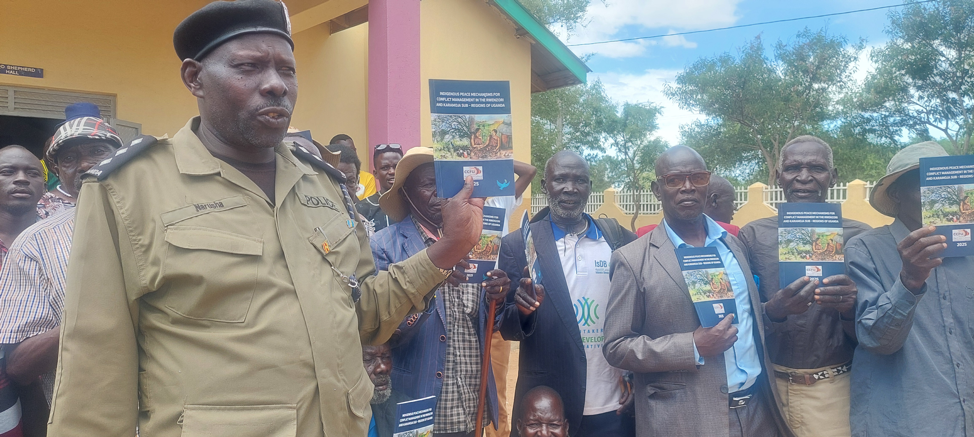
In a one-day dialogue meeting organised by the Karamoja Indigenous Minority Groups (IMG) Platform with support from the Cross-Cultural Foundation of Uganda (CCFU), 67 participants (48 men, 19 women) came together in Kotido District to promote indigenous peace mechanisms as a pathway to social cohesion.
Held at the Parish Hall of Good Shepherd Cathedral in Kotido, the meeting brought together representatives of indigenous minority groups from Kaabong, Karenga, Moroto, Abim, and Kotido, alongside local leaders, security actors, religious leaders and community members. The dialogue focused on disseminating findings from CCFU’s research on indigenous peace mechanisms in Karamoja and Rwenzori.
The Chairperson of the Karamoja IMG Platform; Samuel Lobeka in his opening remarks emphasised the importance of unity among diverse groups, including the Napore, Nyangia, Ngokutio, Ethur, Soo/Tepeth, Ik, and others. He noted that; “Government efforts have improved security, but indigenous peace mechanisms can strongly complement these efforts,” he noted, calling on all stakeholders to champion peace and security.
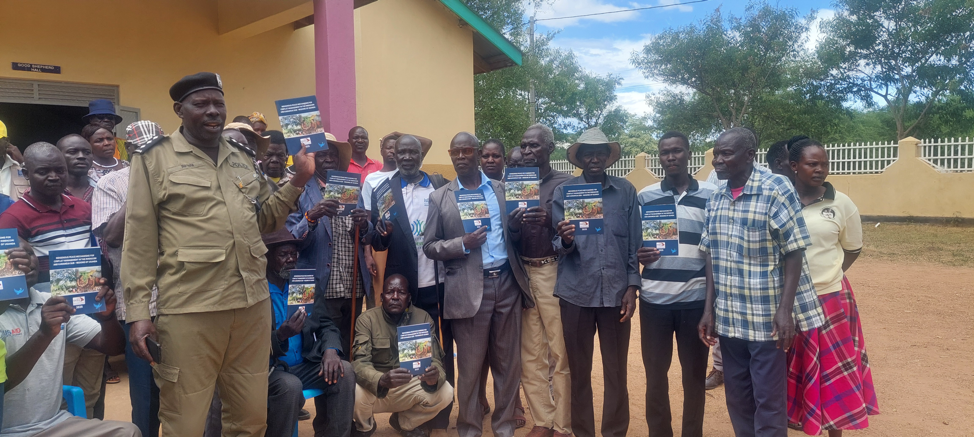
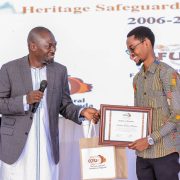
Speaking on behalf of CCFU, Deputy Executive Director; Fredrick Nsibambi expressed appreciation to participants for their dedication to peacebuilding. He noted that CCFU is celebrating 20 years of promoting Uganda’s diverse cultures through heritage safeguarding, with a focus on conservation, human rights, education, and healthcare.
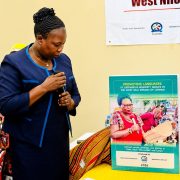
He highlighted that conflict management remains a key priority in both Karamoja and Rwenzori, supported through initiatives such as community dialogues, university engagements, and policy advocacy. He urged all stakeholders to take an active role in revitalising indigenous peace mechanisms, noting that the newly launched publication serves as a critical documentation of these practices.
The research findings, presented by Daniel Lokol, the vice-chairperson of the Karamoja IMG platform, highlighted the relevance of traditional systems in conflict resolution. Participants stressed the need to involve young people to sustain these practices. While the Local government and security leaders echoed strong support to promoting the indigenous peace mechanisms.
Representing the Chief Administrative Officer, Emmanuel Nyanga described Kotido as “an epicentre of conflict,” and called for practical, community-driven solutions. Resident District Commissioner Peter Abrahams Lokwii emphasised the value of indigenous systems noting that they are not just ‘alternative’ mechanisms but rather part and parcel of the identity and people’s way of life. He urged the elders to take a lead in restoring them for the good of the community.
Participants identified key drivers of insecurity, including land conflicts, restricted access to gazetted areas, and the resurgence of firearms. The Community Liaison Officer for Kidepo Region, ASP Narucha Kalisto, warned that; “Land conflicts are a ticking time bomb which need to be dealt with promptly,” linking insecurity to porous borders across Kenya and South Sudan and food insecurity.
Key recommendations from the participants included; Stronger multi-stakeholder coordination platforms, continued community dialogues led by elders, integration of indigenous peace mechanisms into governance systems and collaboration between cultural and religious leaders to promote peace.
The dialogue reaffirmed the critical role of indigenous knowledge systems in fostering sustainable peace. As Karamoja continues to navigate complex social and security challenges, revitalising these culturally grounded mechanisms offers a pathway to inclusive and community-driven peacebuilding, together with the Karamoja IMG Platform and other stakeholders, remains committed to supporting these efforts ensuring that indigenous voices, knowledge, and practices are at the centre of building lasting peace in the region.