
Journalists Explore Culture in the Rwenzori and Bunyoro Regions
- 2 months Ago
- 0 Comment
- 4 Min Read
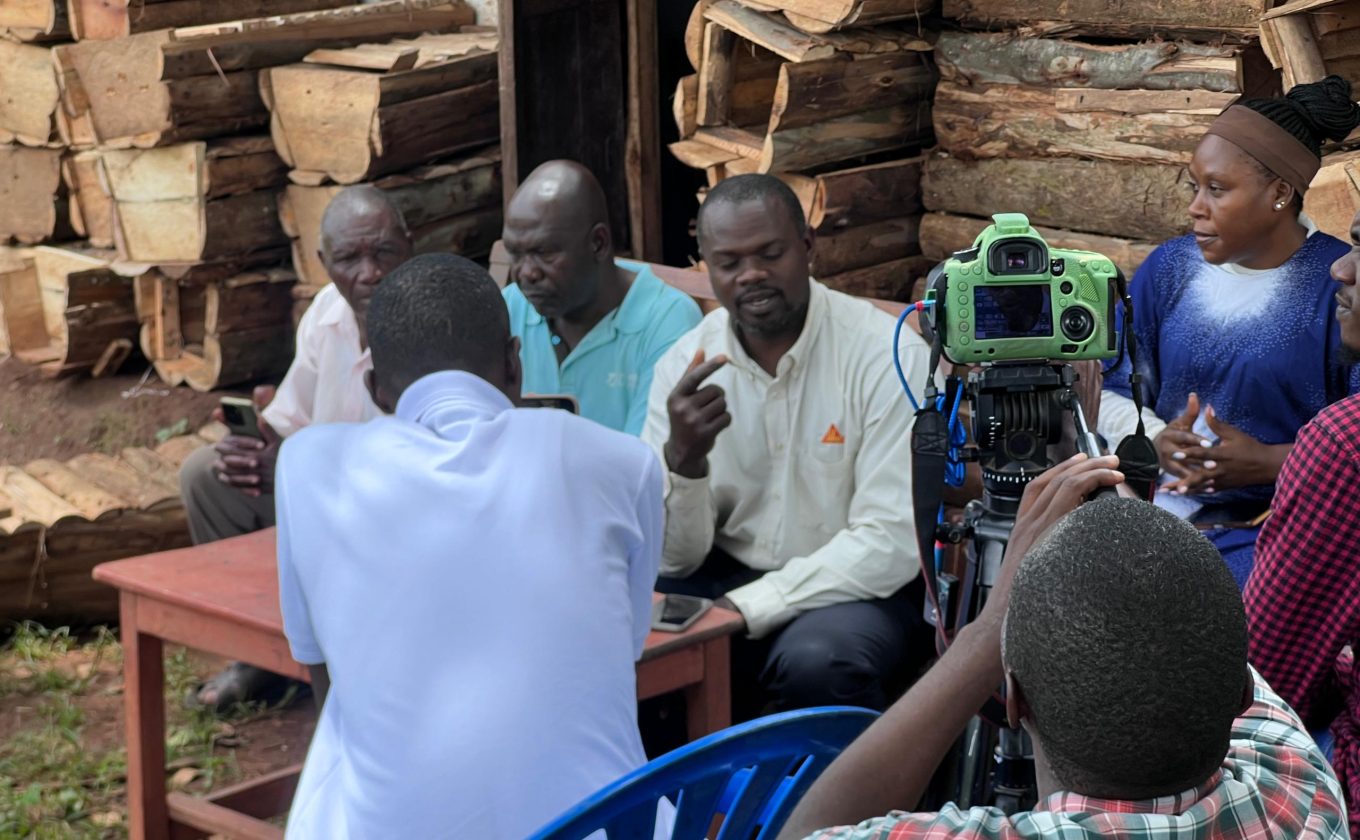
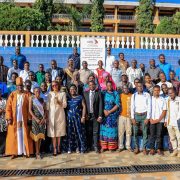
The Cross-Cultural Foundation of Uganda (CCFU) brought together 11 journalists for a Media Learning Journey to explore how culture shapes everyday life, livelihoods, identity, conservation, and sustainable development.
The group included media practitioners from Nation Media Group outlets such as NTV Uganda, KFM Uganda, and Daily Monitor, alongside participants from Next Media Services, bloggers from Show Me Uganda / POA TV and Tribe 256, as well as Capital FM Uganda, CBS Radio, Radio One Uganda, and Akaboozi FM.
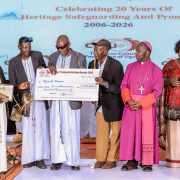
The learning journey was part of CCFU’s 20th anniversary activities aimed at deepening media understanding of culture’s role in development and improving how heritage stories are reported and framed.
What unfolded was not just a field visit, but a clear shift in perspective. Many participants arrived with limited or narrow understandings of culture, but left with a broader appreciation of its connection to identity, conservation, and development. Edwin Muhumuza from Capital FM admitted, “Honestly, I used to think culture was witchcraft. I have been changed. This exposure has widened my understanding of what culture really is.”
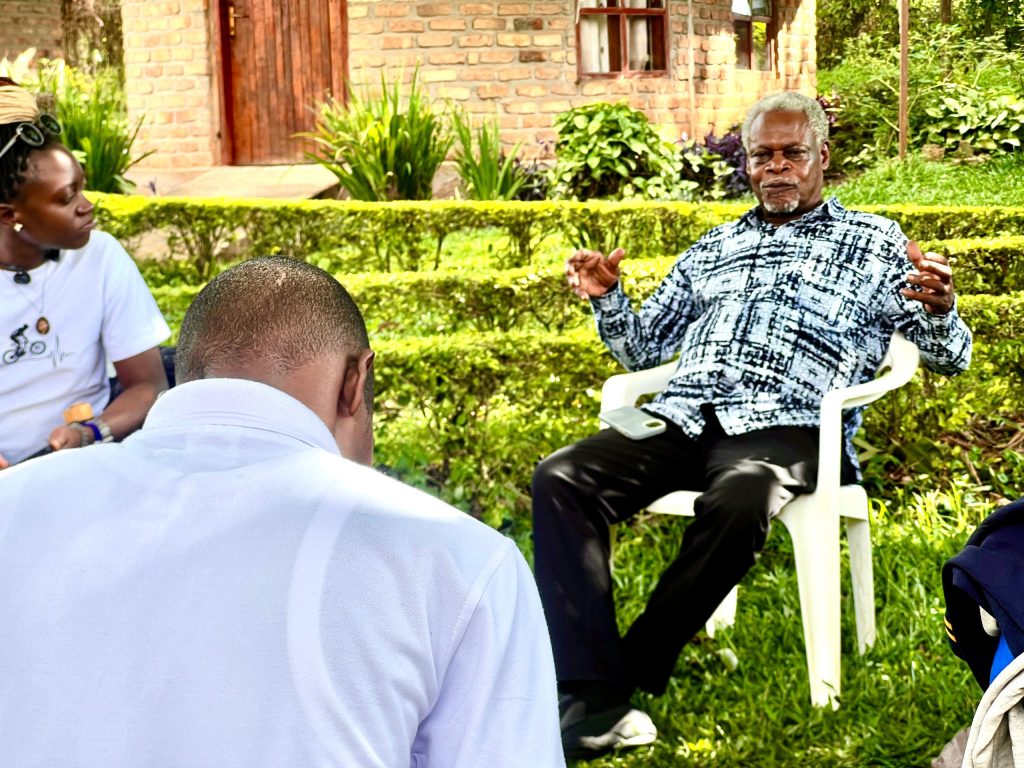
The journey began in Kagadi, where participants met Mwalimu Musheshe, founder of the African Rural University and the URDT Cultural Assets Centre. He shared how African heritage can be used as a foundation for learning and development, not just preservation.
Participants also visited Friends of the Chimpanzee, a community-based initiative that protects chimpanzees through cultural norms linked to clan totems. Here, conservation was not imposed from outside but embedded in local belief systems and practice. Musa Mbogo of the Nile Post reflected, “I learned that chimpanzees are protected because of cultural beliefs. Culture is a powerful tool for conservation.”
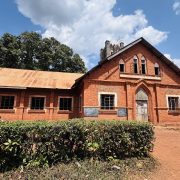
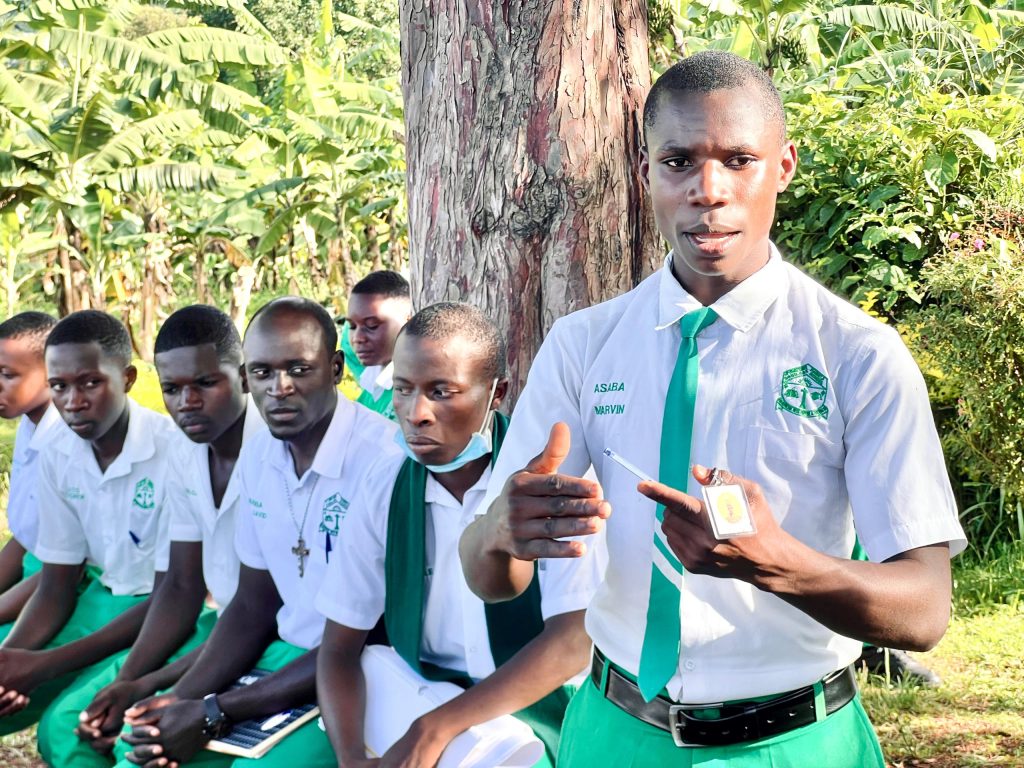
In Fort Portal, visits to the Koogere and Rweongoma Palace Museums deepened reflections on memory, leadership, and identity. At St. Vianne High School, the Heritage Club showed how young people are actively engaging with and promoting cultural heritage. Michael Mutaasa from CBS Radio noted, “Heritage empowers youth, but to protect it for the future, we must invest in them.”
At Bugombwa Primary School, the heritage club further demonstrated how children are learning, practising, and transmitting cultural knowledge within their communities.
In Bundibugyo, participants engaged with the lived realities of the Batwa people. Discussions highlighted deep concerns around cultural erosion, loss of ancestral land, and the fragility of indigenous identity in the face of displacement and marginalisation.
In Kasese, the visit to Kyiriba Kyathumba Cultural Site illustrated how communities are actively restoring and using cultural heritage for conservation and tourism, drawing on indigenous knowledge systems to protect sacred landscapes. A stop at Ekishabu Women’s Cultural Trust showed how women are using crafts and cultural enterprises to sustain livelihoods. Engagements with the Bagabo community further highlighted the presence of indigenous minority groups and ongoing concerns around marginalisation and access to natural resources.
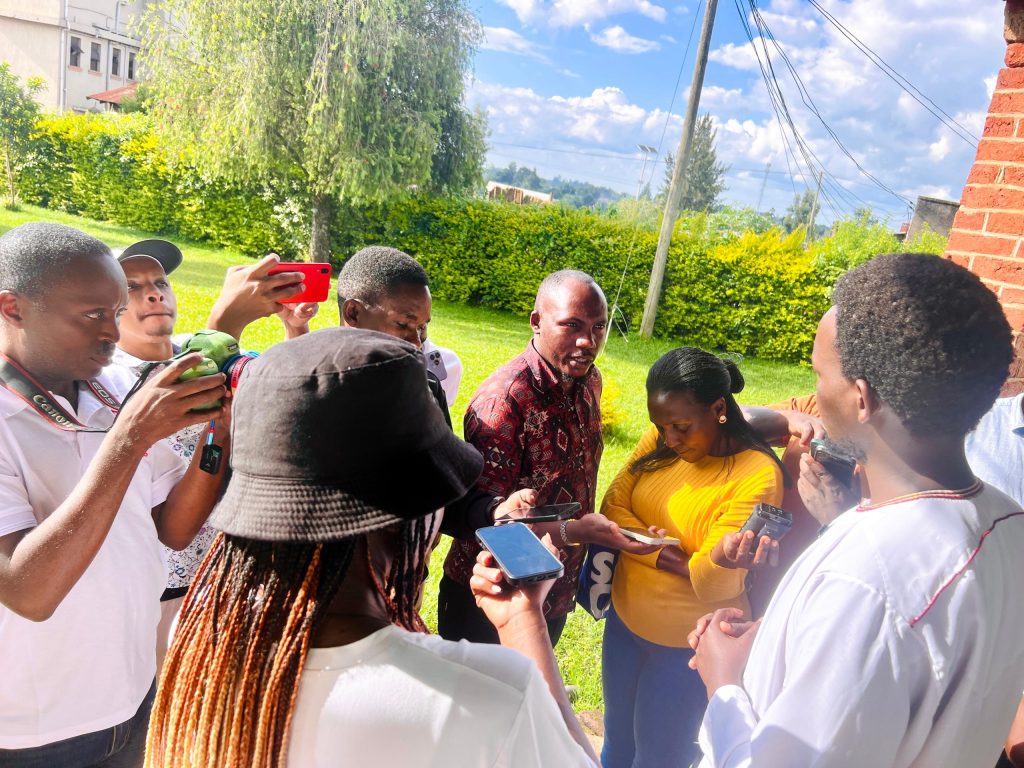
Across all sites, recurring concerns emerged. Participants emphasised the vulnerability of indigenous communities such as the Batwa, the need to protect cultural rights, and the importance of balancing conservation with community livelihoods. They also stressed the urgency of supporting education for children in vulnerable contexts and valuing indigenous knowledge systems, including traditional medicine and food practices.
The role of the media was also strongly questioned. Many participants acknowledged that cultural stories are often underreported, oversimplified, or misunderstood. Hilda Namulwana from Tribe 56 reflected, “We are part of the problem if these stories are not told.”
There was a shared commitment to shift this narrative by using both traditional and digital platforms to make heritage stories more accessible, especially to younger audiences.
By the end of the journey, participants had not only gathered story ideas but also rethought how culture should be reported, more critically, more contextually, and with greater depth.
They left with stronger connections to communities and cultural actors, and a renewed commitment to produce informed, consistent, and nuanced reporting on culture and development.