

Historic Building of the Week: Bishop’s House, Ruharo, Mbarara – 1920
- 2 hours Ago
- 0 Comment
- 2 Min Read
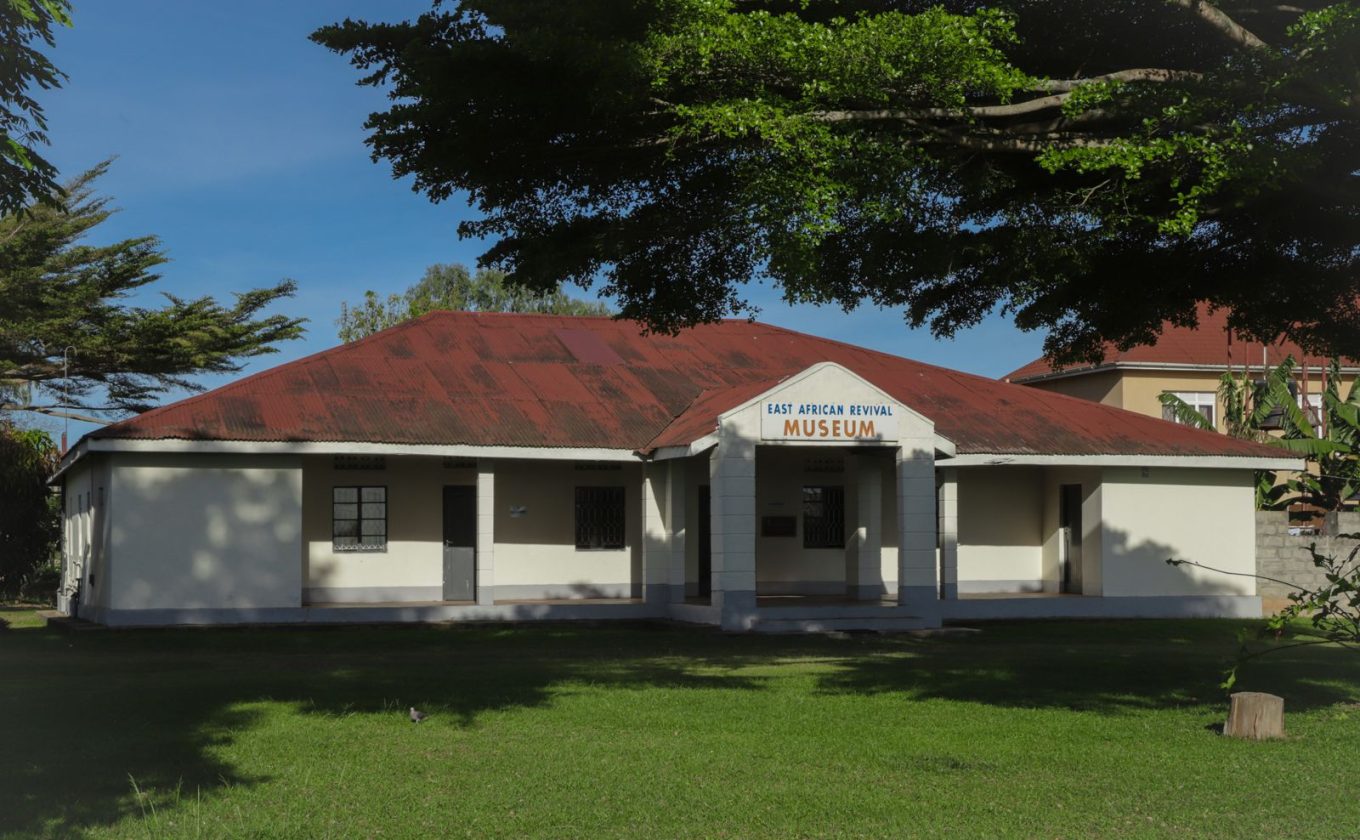
Built in 1920 | Ruharo Hill, Mbarara City
Perched on Ruharo Hill in Mbarara City, Bishop’s House is a building that carries more than a century of Ankole’s religious and social history. Built in 1920, the house is now home to the East African Revival Museum, preserving the story of a movement that profoundly shaped Christianity and communities in the region.
The house was constructed using unburnt bricks and was among the first three houses built on Ruharo Hill through oruharo, a system of compulsory community service. It was also the first house used by the Church Missionary Society in the area in the 1920s.
Beyond its architectural history, Bishop’s House holds an important place in the story of early Christianity in Ankole. During a period when converts faced persecution, the house provided sanctuary for some of those seeking safety. Its walls therefore bear witness not only to the spread of Christianity, but also to the experiences of the people who embraced a new faith during a period of significant social change.
The house has also served as the residence of five Bishops of the Ankole Diocese: Rt. Rev. Kosiya Shalita, Rt. Rev. Amos Betungura, Rt. Rev. Elisha Kyamugambi, Rt. Rev. George Tibeesigwa, and the current Bishop, Rt. Rev. Sheldon Mwesigwa.
In 2016, the building entered a new chapter when it became home to the East African Revival Museum. The museum preserves the history of the Revival movement in Ankole through artefacts, documentaries and other materials. Among its collections are the original pews from St. James Cathedral, connecting the museum to another important chapter in the area’s religious heritage.
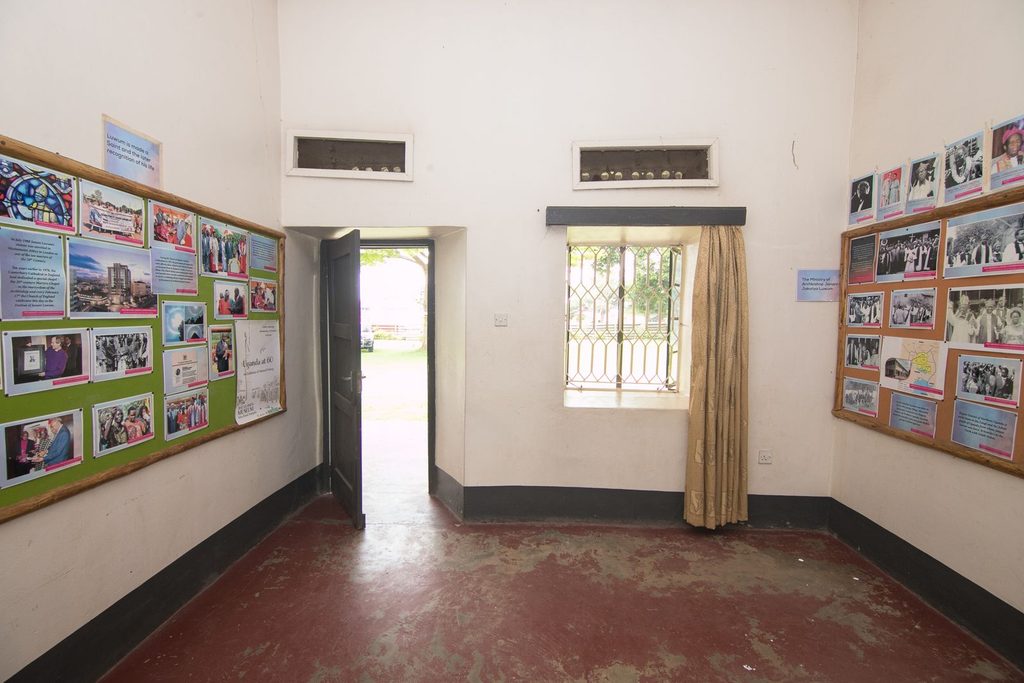
Today, Bishop’s House stands as more than an old building. It is a place where architecture, faith, memory and community history meet. Its story reminds us that historic buildings are not simply structures from the past—they are spaces that hold the experiences, struggles and transformations of the people who came before us.
As we preserve Bishop’s House, we preserve not just its bricks and walls, but the stories they have carried for generations.