
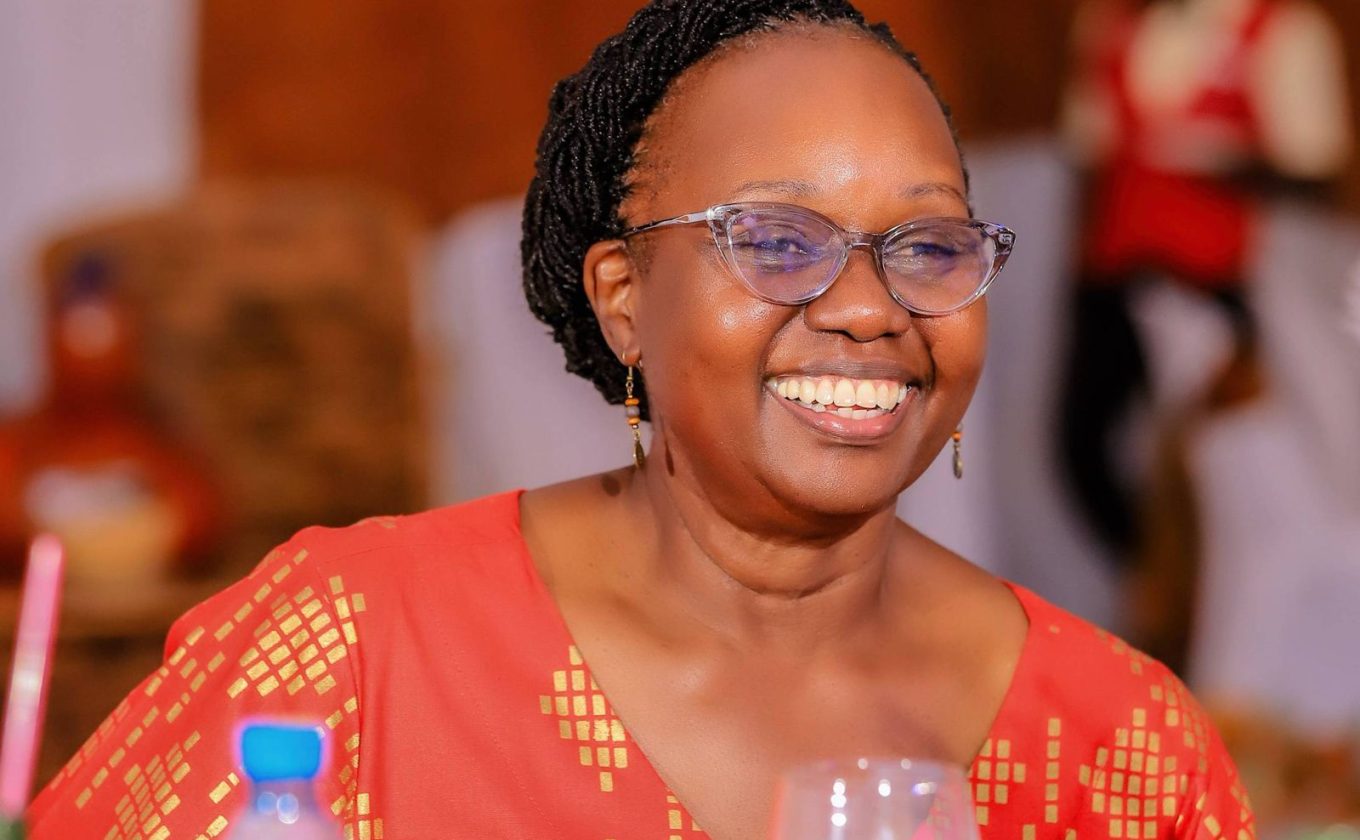
It started with a conversation, a shared frustration, and a napkin.
In a restaurant nearly two decades ago, Emily Drani and John De Coninck found themselves asking a simple but profound question: Why did development projects so often disappear without leaving lasting change in communities?
Working at Community Development Resource Network (CDRN), they had seen communities return to old ways once projects and donor funding ended. They believed development needed to be rooted in something communities already owned: their knowledge, values, traditions and worldviews.
“We wanted to do something that would live with the communities, something that connects to their knowledge and worldview, so they could continue it after donor funding ended,” Drani recalls.
The conversation was documented on a napkin. In 2006, it became an organisation, the Cross-Cultural Foundation of Uganda (CCFU).
The founders initially imagined CCFU as a grant-making organisation that would support smaller organisations to promote positive aspects of Uganda’s diverse cultures. But turning the idea into reality was anything but easy.
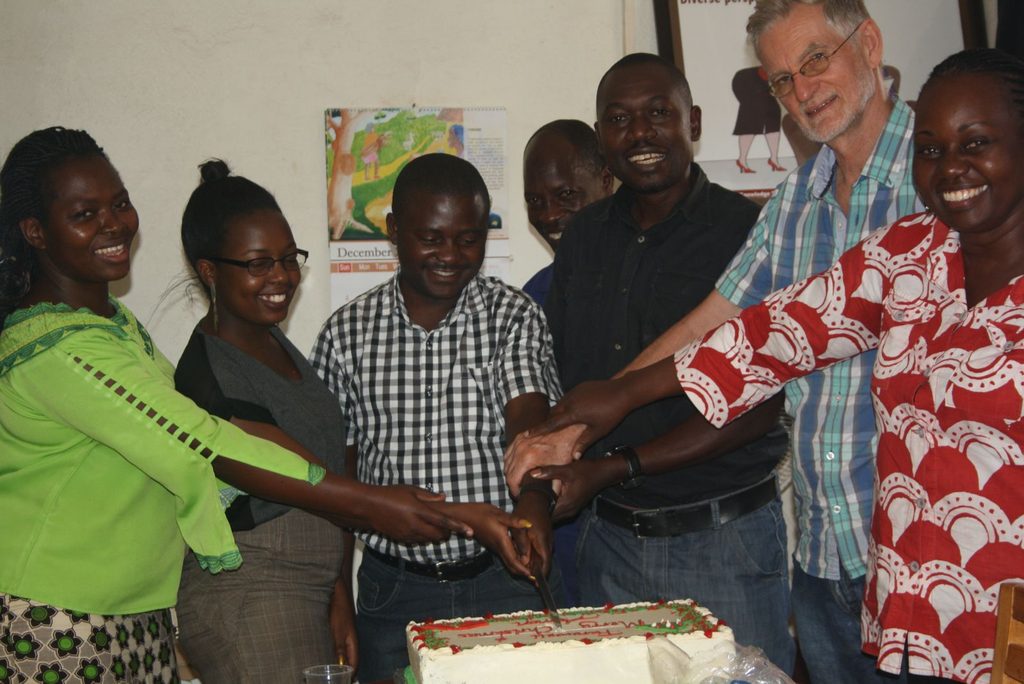
They began with no office, working from their homes and using their personal savings to keep things going. Their first funding, US$10,000 from Comic Relief, enabled them to rent a small room at the National Theatre and hire their first employee, Petwa Akol Oselle.
Even the furniture came from their homes.
Oselle remembers a particularly difficult period when she was CCFU’s only paid employee.
“For almost a year, we didn’t have funding. So, John and Emily had to touch their personal savings to keep paying my salary.”
Yet the National Theatre proved to be more than an office. Surrounded by artists and cultural practitioners, CCFU found a space that reflected what it was trying to build.
At the time, however, culture was far from being seen as a development priority. It was often reduced to music, dance and drama, while cultural identity was sometimes viewed as a source of conflict rather than an asset.
Government development plans gave little attention to heritage, university courses were scarce and public funding for culture was minimal. CCFU therefore spent its early years making a case for something that was not yet widely accepted: that culture belongs at the heart of development.
The organisation also had to establish its role alongside government.
“We kept stressing that we are not here to take over any existing mandate but to support the state’s work,” Drani says.
One of its early research projects explored the relationship between culture and HIV, challenging assumptions about how cultural practices contributed to the epidemic and demonstrating that culture could be examined as part of wider development challenges.
A major turning point came when Bread for the World began supporting CCFU, giving the young organisation the freedom to experiment with cultural entrepreneurship, training and new approaches to heritage.
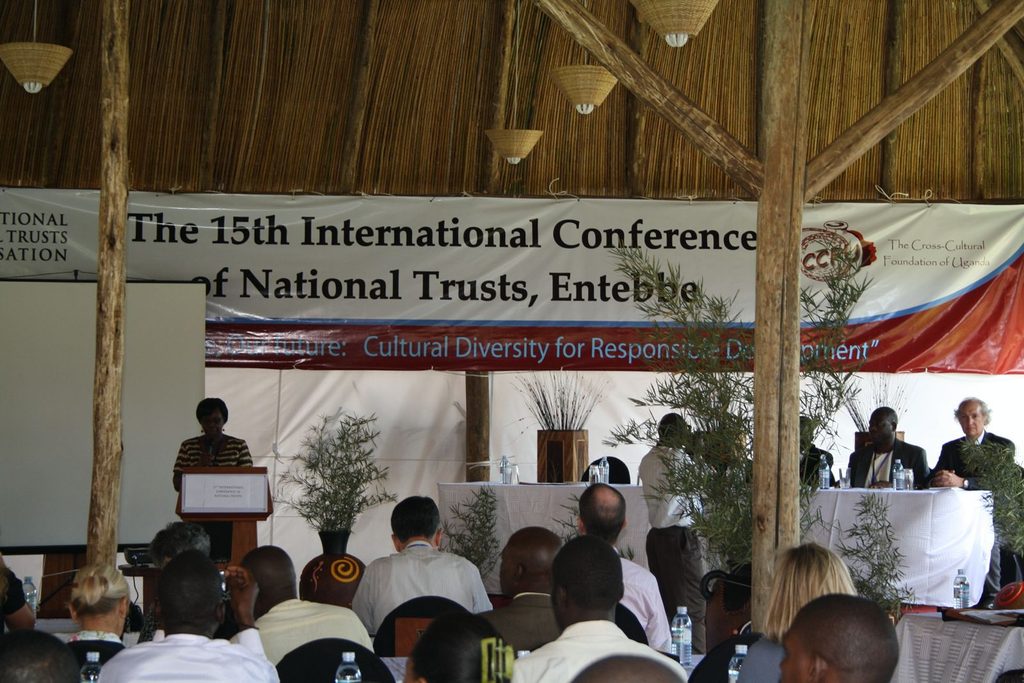
In 2009, CCFU joined the International National Trusts Organisation (INTO), connecting it to a global network of heritage practitioners. Hosting the 2013 INTO conference in Uganda further strengthened CCFU’s position and demonstrated that heritage was a global concern.
CCFU also advocated for a broader understanding of heritage, one that went beyond buildings and monuments to include Intangible Cultural Heritage (ICH): the traditions, knowledge, practices and expressions that give communities their identity.
Its growing relationship with UNESCO became another major milestone. CCFU served on the Evaluation Body of the Intangible Cultural Heritage Convention, participated in international meetings and contributed to training materials.
UNESCO also supported CCFU’s work to help Ugandan universities establish heritage studies as an academic discipline. Kyambogo University has since celebrated its first graduates, with more universities joining the programme.
Twenty years later, the founders see a very different cultural landscape.
“The heritage movement in Uganda has grown. Now things have changed significantly. We have conversations about culture, festivals, many activities on the creative side, and many other NGOs involved in cultural heritage,” Drani says.
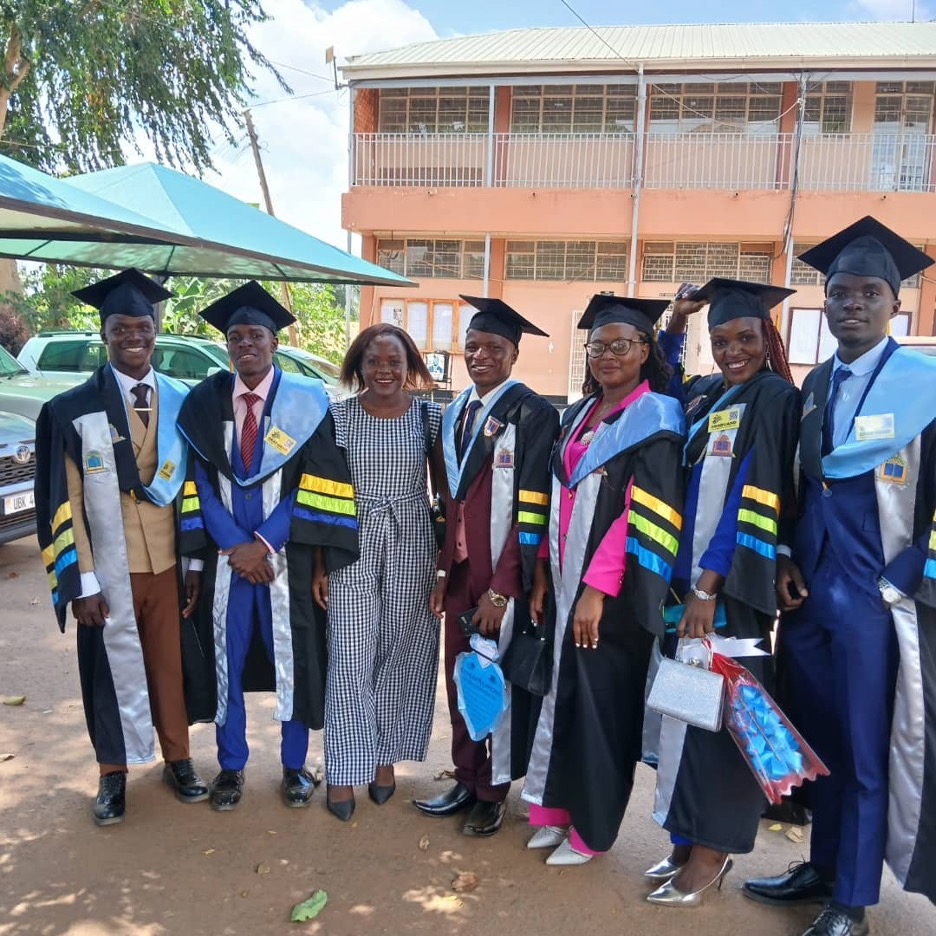
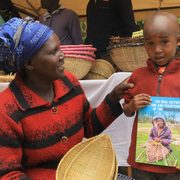
CCFU’s Heritage Education Programme (HEP) has helped bring this change to young people, many of whom are increasingly proud of their heritage and identity.
For Drani, this is the organisation’s greatest achievement
The cultural sector has gained greater legitimacy. More organisations are working in heritage. Young people are asking how they can continue engaging with culture. Communities are increasingly seeing their heritage not as something to be ashamed of or left in the past, but as something valuable to carry forward.
After 15 years of leading CCFU, Drani and De Coninck made another defining decision: to step aside.
An institutional evaluation found that CCFU’s identity had become closely tied to its founders. Determined to build an organisation that could outlive them, they began a carefully planned leadership transition.
Barbra Babweteera Mutambi, a lawyer with a strong passion for heritage, joined CCFU as Deputy Executive Director. For nearly a year, she worked alongside the founders, meeting partners and funders and preparing to take over the leadership.
“We had almost a year of moving with Barbra, meeting funders and partners together. So, she really knew what was required of her when she became the director,” Drani says.
Looking back, she is proud of what followed.
“She has done a fantastic job.”
From an idea written on a restaurant napkin to a 20-year movement for Uganda’s heritage, CCFU’s story is ultimately about more than preserving the past.
It is about ensuring that culture remains alive, valued and useful, and that the knowledge of yesterday can help shape the Uganda of tomorrow.