
The Mosopisyek. A people, a mountain and a story worth remembering
- 2 hours Ago
- 0 Comment
- 4 Min Read
High on the slopes of Mount Elgon in eastern Uganda, the Mosopisyek have lived for generations, building a way of life closely connected to the mountain, its forests and the resources they provide.
Known more widely as the Benet, the Mosopisyek are an indigenous community found mainly in the Sebei region, particularly in Kween, Kapchorwa and Bukwo. But behind the name is a people with a history, language, and traditions passed from one generation to another, largely through the spoken word.
For the Mosopisyek, an elder’s story can be a history book. A name can carry the memory of an event. A song can teach a lesson. A traditional practice can connect a young person to those who came before them.
Their relationship with Mount Elgon has always been central to this way of life. The mountain and its forests provided pasture for cattle, wild fruits, medicinal plants and honey. Cattle were important not only for livelihoods, but also for marriage and other social and cultural practices. Hunting, gathering and beekeeping were also part of traditional life.
This close relationship with the environment has given the Mosopisyek detailed knowledge of the plants, animals and resources around them. Much of this knowledge was never written down. It was learned by watching, listening and doing.
Their language, Kumosop, is another important part of this heritage. It carries the community’s stories and ways of understanding the world. But like many indigenous languages, it faces challenges as younger generations increasingly use other languages in school and everyday life.
The community’s history has also been shaped by changes on Mount Elgon. As the forests were placed under government protection, the Mosopisyek faced restrictions on access to areas where they had traditionally lived and earned their livelihoods. For a people whose culture and survival were closely connected to the land, these changes were deeply felt.
The community responded by organising and advocating for recognition of its rights. Their long struggle contributed to a 2005 consent judgment concerning the rights of the Benet community in relation to their ancestral land.
Yet the story of the Mosopisyek is not only a story of loss and struggle. It is also a story of creativity, resilience and pride.
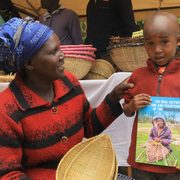
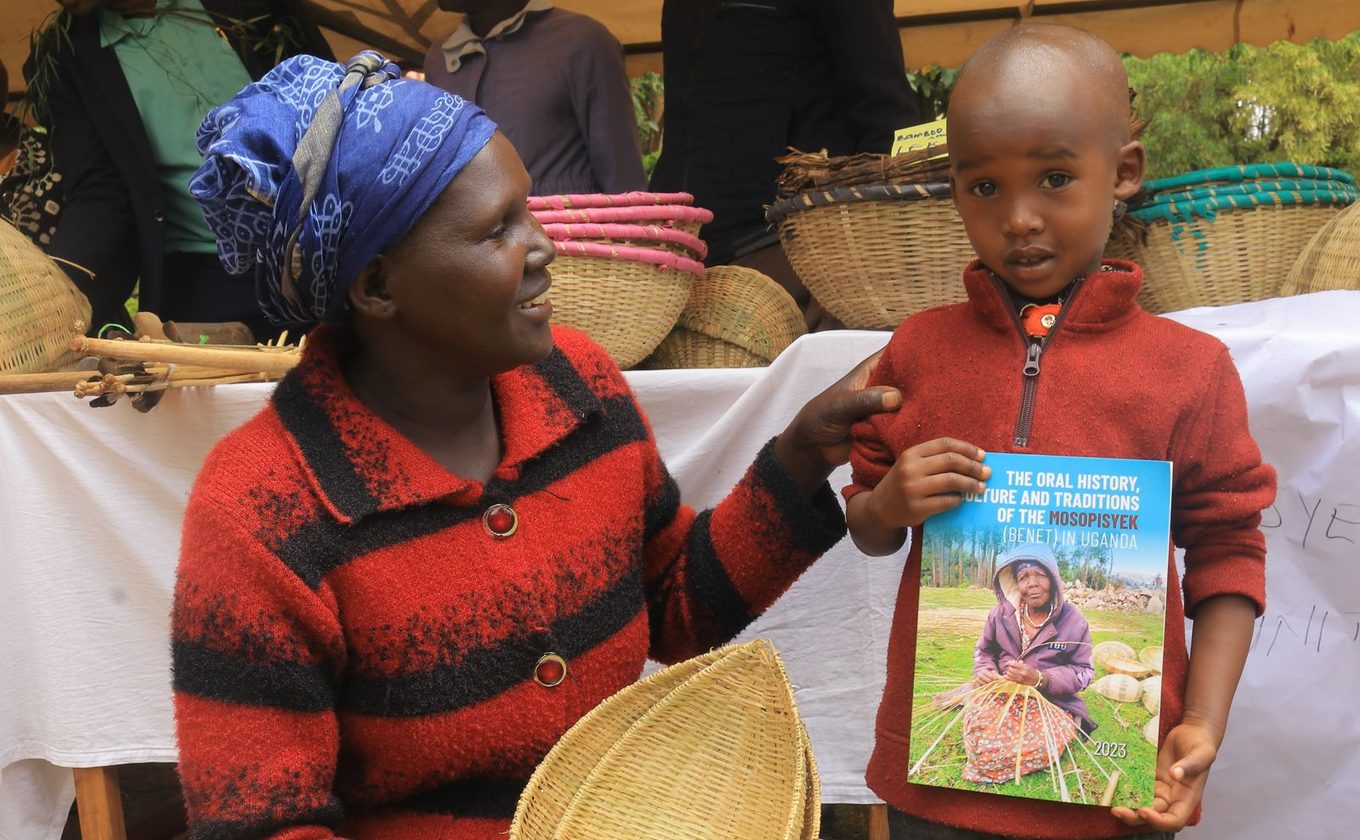
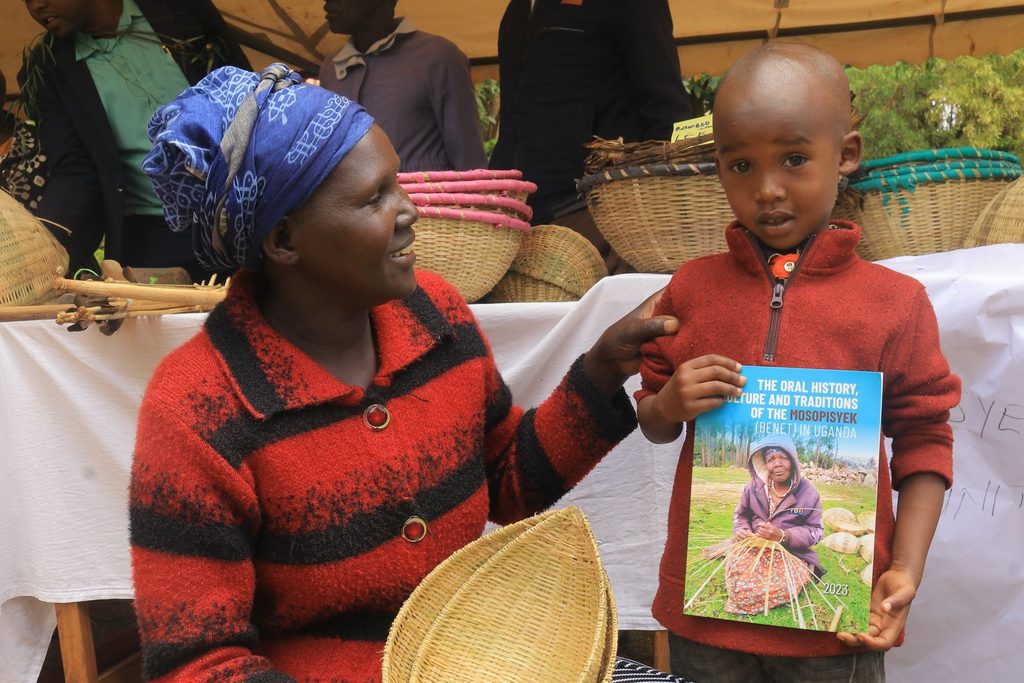
Their culture can be seen in traditional ceremonies, naming practices, craft-making, knowledge of medicinal plants and honey, and the stories kept by elders. Women have played an important role in preserving skills such as basket-making, while traditional games and physical activities remain part of the community’s cultural memory.
The wider Sebei region is also known for producing exceptional athletes, and sport has become another way in which the strength and discipline associated with the region are expressed today.
But perhaps the most important thing the Mosopisyek carry is something that cannot easily be seen: memory.
As older generations pass on, there is a growing need to make sure that the stories and knowledge they carry do not disappear with them. This is why documenting oral history matters.
CCFU’s publication, The Oral History, Culture and Traditions of the Mosopisyek (Benet) in Uganda, brings together stories and knowledge about the community, its history, traditions, livelihoods, language and relationship with Mount Elgon.
The publication gives these stories a place to be remembered and shared, while reminding us that cultural heritage is not only found in buildings, monuments or museums. It lives in people, in their words, names, songs, skills, memories and relationship with the places they call home.
For the Mosopisyek, keeping their culture alive is therefore about more than preserving the past. It is about allowing younger generations to know who they are and where they come from.
On the slopes of Mount Elgon, the stories continue to be told.
And as long as they are listened to, remembered and passed on, the heritage of the Mosopisyek can continue to live.