
Cultural institutions trained to protect women and girls’ rights
- 2 months Ago
- 0 Comment
- 3 Min Read
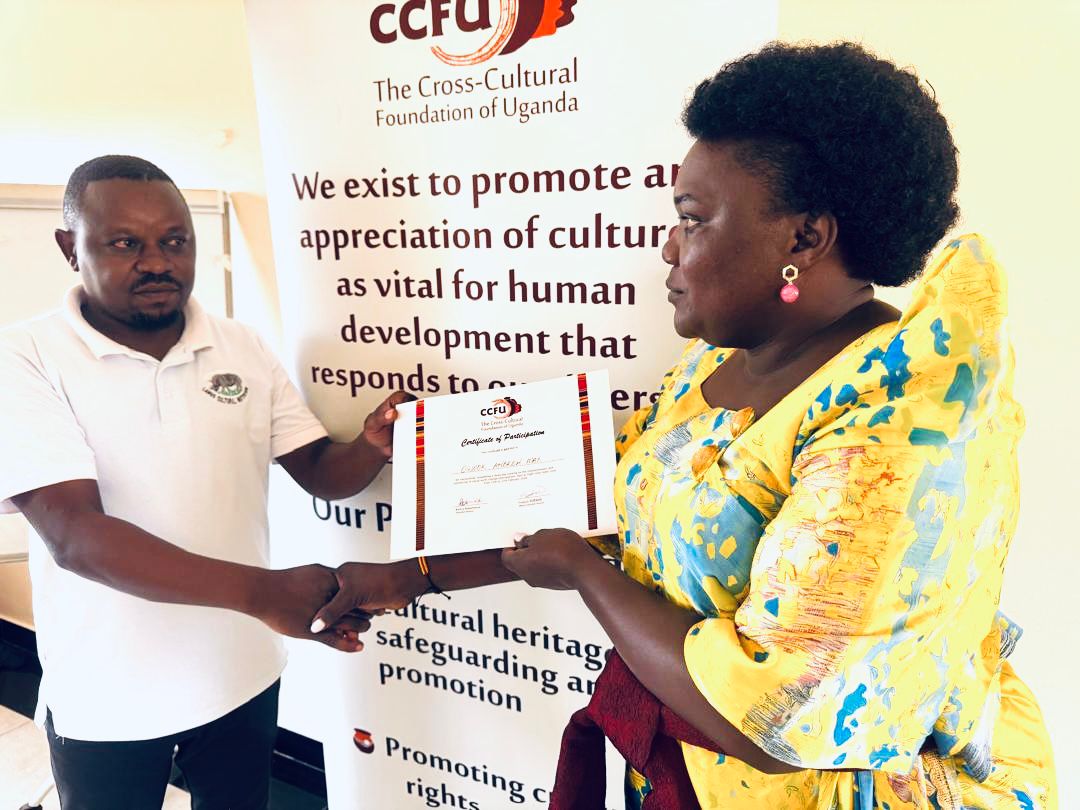
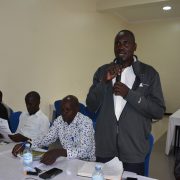
The Cross-Cultural Foundation of Uganda (CCFU) has successfully concluded a three-day capacity-building training in Gulu City for cultural institutions under the Council of Traditional Leaders in Africa (COTLA) – Uganda Chapter.
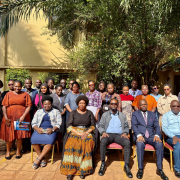
The training brought together 31 technical officers, including 20 men and 11 women, from five cultural institutions in Northern Uganda: Ker Kwaro Acholi, Ker Alur Kingdom, Lango Cultural Foundation, Obukama bwa Buruuli, and Lugbara Kari Cultural Institution.
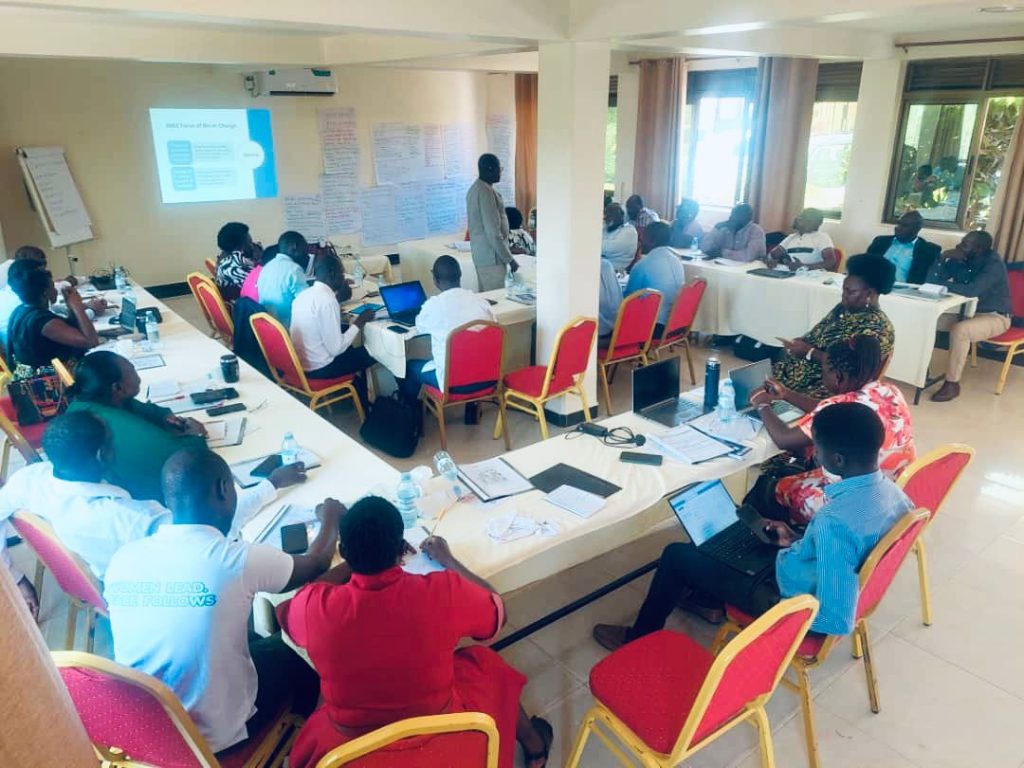
The purpose of the training was to strengthen the ability of cultural leaders to design, implement, and monitor interventions that address harmful social norms in their communities.
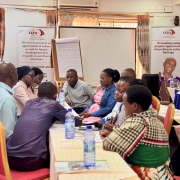
Over three days, participants explored how social norms shape attitudes and behaviours. They discussed relevant legal frameworks, gender equality, and human rights principles. The sessions were practical and interactive, allowing participants to reflect on real community experiences and share lessons from their institutions.
Cultural leaders identified both positive and harmful social norms. They discussed ways to preserve cultural values that promote dignity, protection, and unity, while reforming practices that negatively affect women and girls.
The spokesperson of Ker Kwaro Acholi, “This training has opened our eyes to how some practices we consider normal can affect the rights of women and girls. We now have the knowledge to guide our communities better.”
The Culture Legal Affairs Minister of Ker Alur added, “We have moved beyond discussion. We now have clear action points and monitoring plans that will help us implement our work more effectively.”
The Gender Minister of Lango Cultural Foundation noted, “As cultural leaders, we influence many people. With this knowledge, we can confidently promote gender equality within our cultural spaces.”
Participants also developed monitoring and evaluation frameworks to guide the implementation of their proposed activities. These tools will help ensure that interventions are well planned, tracked, and able to demonstrate impact.
Speaking about the training, Harriet Namukenge, the Culture and Gender Project Lead from CCFU emphasised that strengthening cultural institutions is key to achieving sustainable change. “Cultural leaders are trusted voices within their communities. When they are equipped with the right knowledge and tools, they can drive meaningful and lasting transformation. This training is not just about building individual skills; it is about strengthening institutions to lead social norm change in a structured and accountable way.”
CCFU further highlighted that by supporting cultural institutions to develop clear workplans and monitoring systems, the organisation is helping them become more strategic, organised, and results-oriented in their programming.
The training is part of the Culture for Her Project, through which CCFU has extended financial support to the participating institutions. The project is funded by UN Women under the Spotlight Initiative.
The Culture for Her Project aims to promote gender equality, advance the sexual and reproductive health rights of young women and adolescent girls, and prevent sexual and gender-based violence in schools. By working through cultural institutions, the project recognises the important role of traditional leadership in shaping values and influencing positive change.
This training marks an important step in strengthening cultural institutions in Northern Uganda to actively promote safer, more inclusive, and more equitable communities.