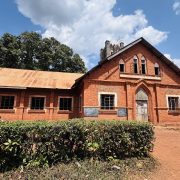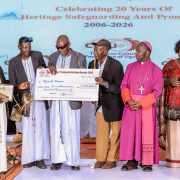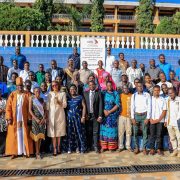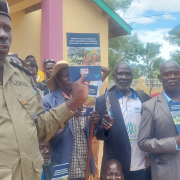

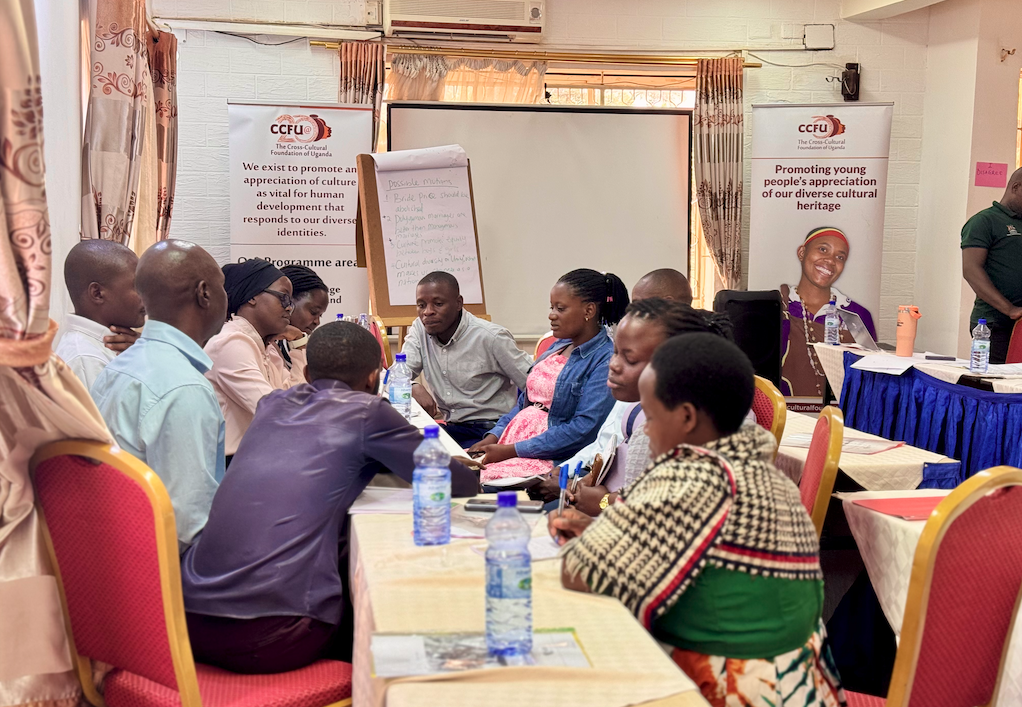
As it celebrates 20 years of cultural heritage safeguarding, The Cross-Cultural Foundation of Uganda (CCFU) has continued its mission to breathe life into our diverse traditions through the Heritage Education Programme (HEP). Recently, we have successfully introduced the programme in Hoima after a capacity-building training for school heritage club patrons and coordinators from the districts of Hoima, Kagadi, Kabarole and Kasese district at the Glory Summit Hotel in Hoima City.
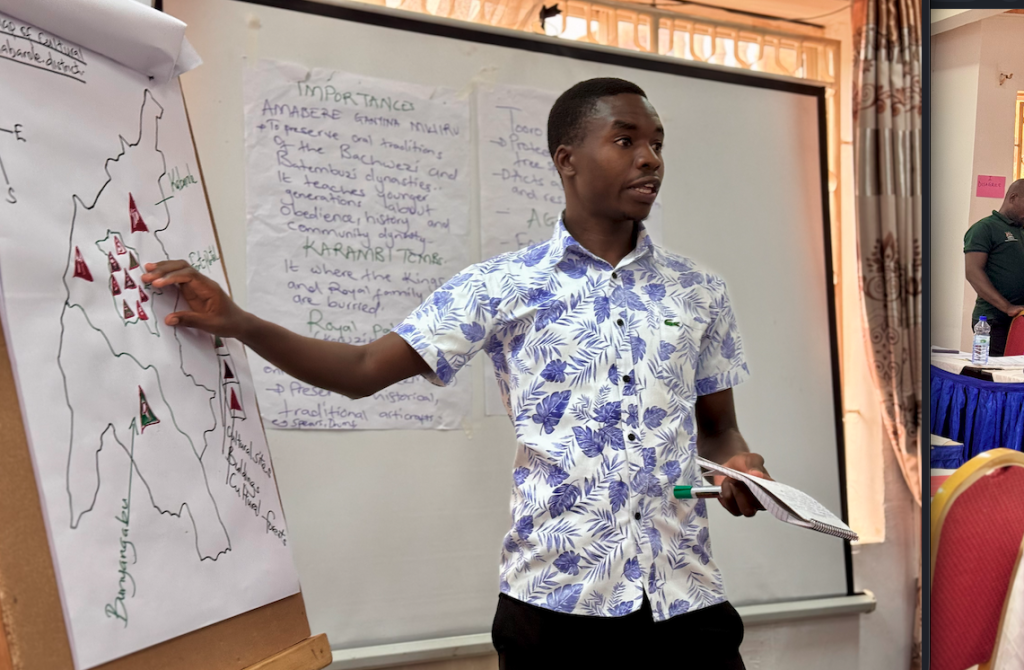
The 3-day training, aimed at enhancing the capacity of more than 30 teachers and coordinators to implement the Heritage Education Programme by establishing and managing vibrant school cultural heritage clubs.
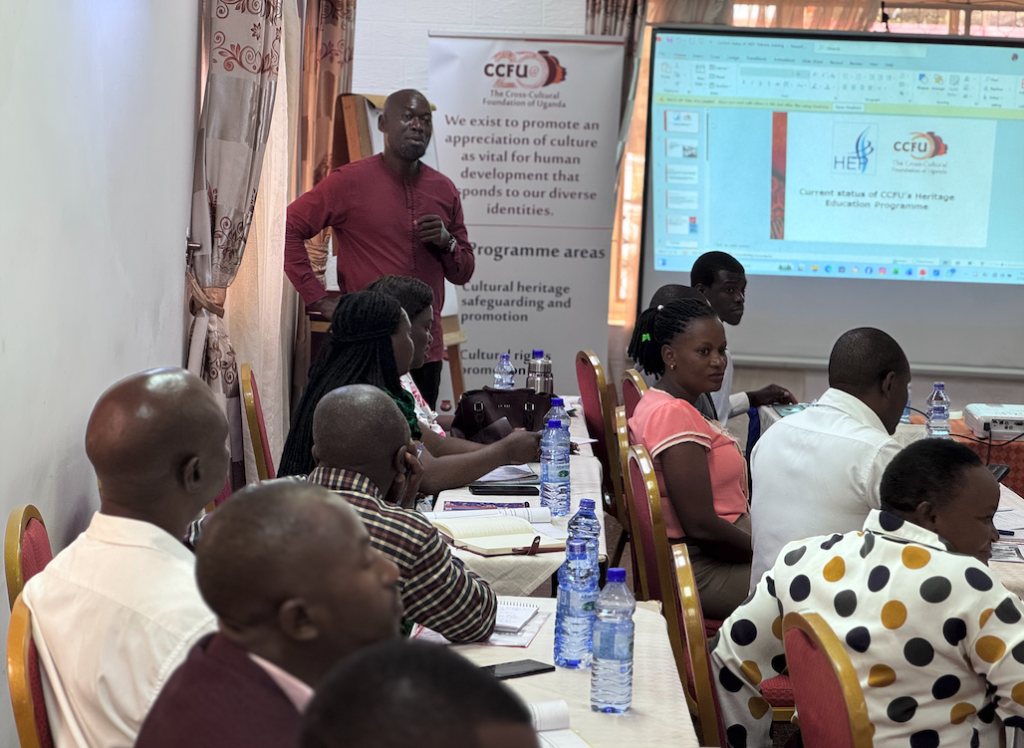
During the training, the City Education Officer of Hoima, Mr. James Baingana, emphasized the critical role of cultural knowledge in the modern classroom. Highlighting the shift toward a skills-based curriculum, he noted that the government’s plan to integrate such learning from nursery to university level is key for the nation’s progress. “The rationale of introducing the skills-based curriculum in lower secondary was because of the need to not only ease learning but also equip students with knowledge outside the theory classroom,” Mr. Baingana stated.
Established in 2011, the Heritage Education Programme has been instrumental in addressing the growing disconnect between young people and their cultural roots. For over a decade, we have championed the idea that heritage is not a static relic of the past but a vibrant tool for contemporary development. Since its inception, the programme has achieved remarkable milestones including training over 530 patrons and more than 25 coordinators across the country to manage and sustain heritage clubs, engaging the National Curriculum Development Centre (NCDC) to ensure that aspects of heritage education are now incorporated into the new lower secondary school curriculum.
As we face the rapid tide of modernization and globalization, the responsibility to preserve our unique identity rests upon all of us. We call upon the young people to embrace their heritage as a source of pride and a foundation for their future. We appeal to the elders and parents, who are the custodians of our oral traditions and values to continue sharing this irreplaceable knowledge with the next generation. Together, we can ensure that our living heritage remains a source of unity and social cohesion for generations to come.