
Communities in Karamoja Call for Integration of Indigenous Knowledge in Heritage Protection and Climate Mitigation Strategies.
- 2 months Ago
- 0 Comment
- 3 Min Read
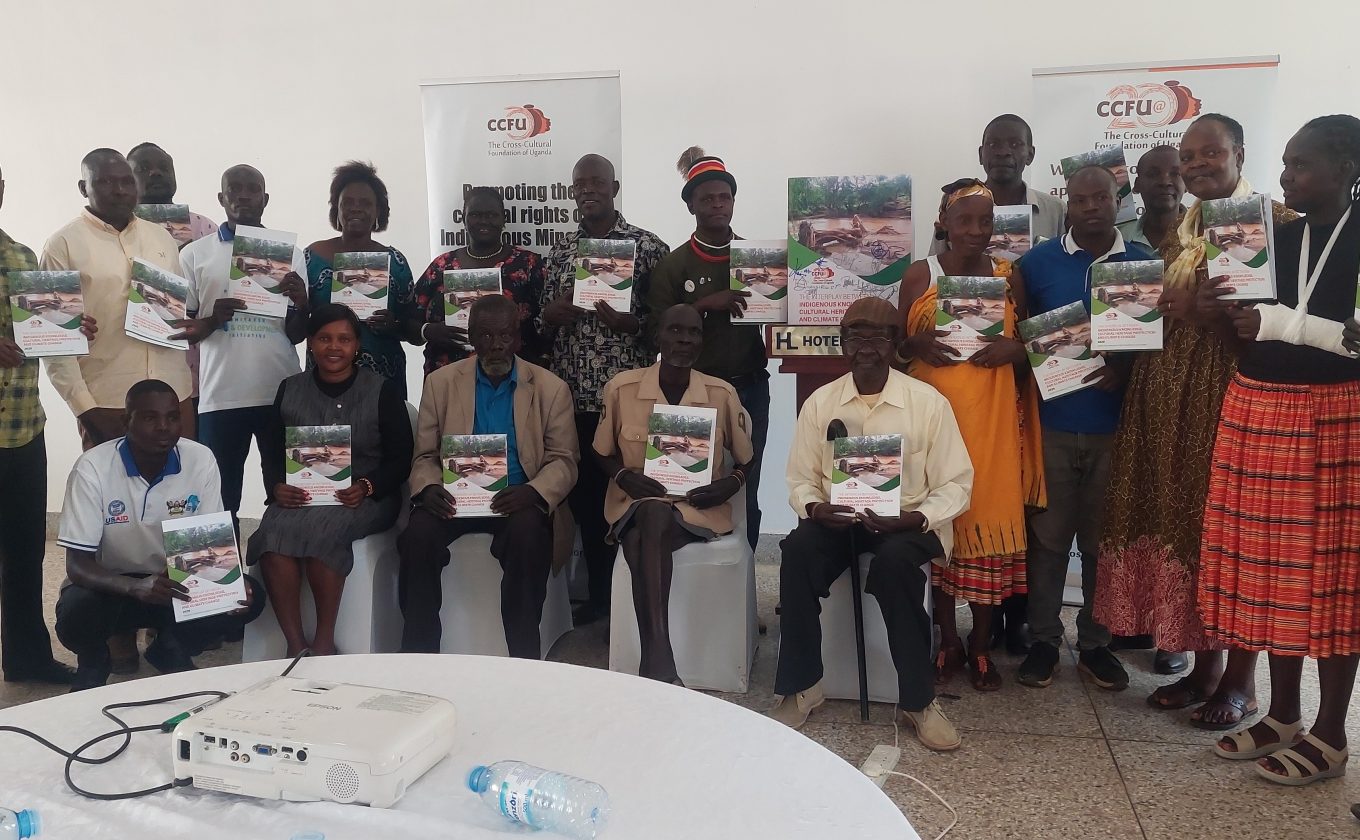
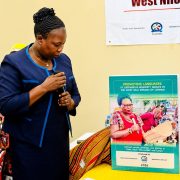
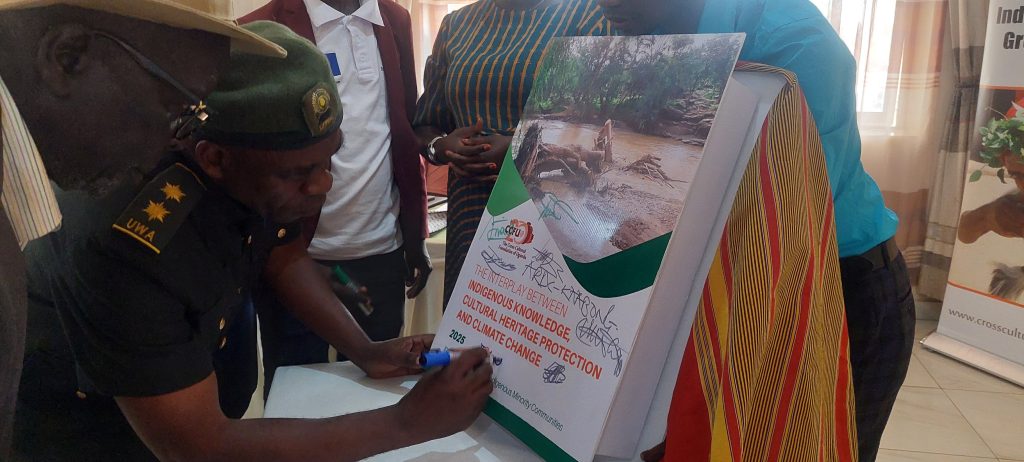
The Cross-Cultural Foundation of Uganda (CCFU), this week launched and disseminated findings of research on the interplay between indigenous knowledge for cultural heritage protection and climate change during two separate events held in Moroto and Kaabong districts. The research was conducted in selected Indigenous Minority Group (IMG) communities of Pokot, Tepeth, Ik, Ethur, Napore, Nyangia and Katibong.
The events brought together more than 90 stakeholders including cultural leaders, elders, district local government officials, conservation practitioners, religious leaders, civil society representatives, and community members from the districts of Amudat, Abim, Moroto, Kaabong and Karenga to reflect on the role of Indigenous Knowledge in safeguarding cultural heritage and strengthening its resilience to climate change effects.
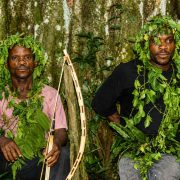
Participants highlighted the deep connections between culture, the environment, and community wellbeing. Elders recalled traditional conservation practices that protected forests, sacred sites, water sources, and biodiversity through customary laws and cultural sanctions. However, concerns were raised about increasing environmental degradation, including deforestation, charcoal burning, mining activities, and the loss of sacred sites, all of which are contributing to climate-related challenges.
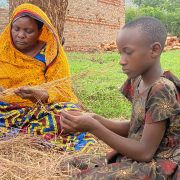
During the two events, participants emphasized that climate change is not only affecting livelihoods but also accelerating the erosion of cultural heritage. Migration, language loss, changing lifestyles, and the declining transmission of Indigenous Knowledge from elders to younger generations were identified as major threats to cultural continuity.
In Moroto, the Chairperson of Karamoja Elders Association; Simon Peter Nangiro highlighted the importance of revitalizing Indigenous languages, particularly among minority communities such as the Tepeth and Ik as a starting point for heritage preservation. He also urged the elders to take seriously their role as custodians of indigenous knowledge and ensure transmission to the young people.
The Assistant Resident District Commissioner (ARDC) for Kaabong District, Ruth Lokuwam emphasized the importance of utilizing indigenous knowledge for preserving our cultural sites even for the future generations. She noted with concern the rate at which climate change has affected even the social life as she recalled that while growing up, whenever there was good harvest, ceremonies such as marriage, naming, initiations would be performed; something that she no longer sees. She pledged total commitment of the office of the RDC in ensuring heritage preservation.
The discussions generated several recommendations for promoting Indigenous Knowledge and cultural heritage conservation, including strengthening intergenerational knowledge transfer through community dialogues, storytelling sessions and mentorship by elders; documenting Indigenous Knowledge, cultural sites and traditional environmental practices; producing culturally appropriate materials in local languages; supporting community sensitization and advocacy initiatives; promoting collaboration among stakeholders; and advocating for heritage impact assessments before major development projects are implemented.
The dissemination events reinforced a common message: Indigenous Knowledge remains a valuable resource for climate adaptation, environmental stewardship, and cultural heritage protection. Participants called for greater recognition and integration of Indigenous Knowledge systems into local and national climate change and heritage safeguarding frameworks to ensure that these traditions continue to benefit future generations.