Cultural Leaders Reaffirm Commitment to End Sexual and Gender Based Violence
- 4 weeks Ago
- 0 Comment
- 3 Min Read
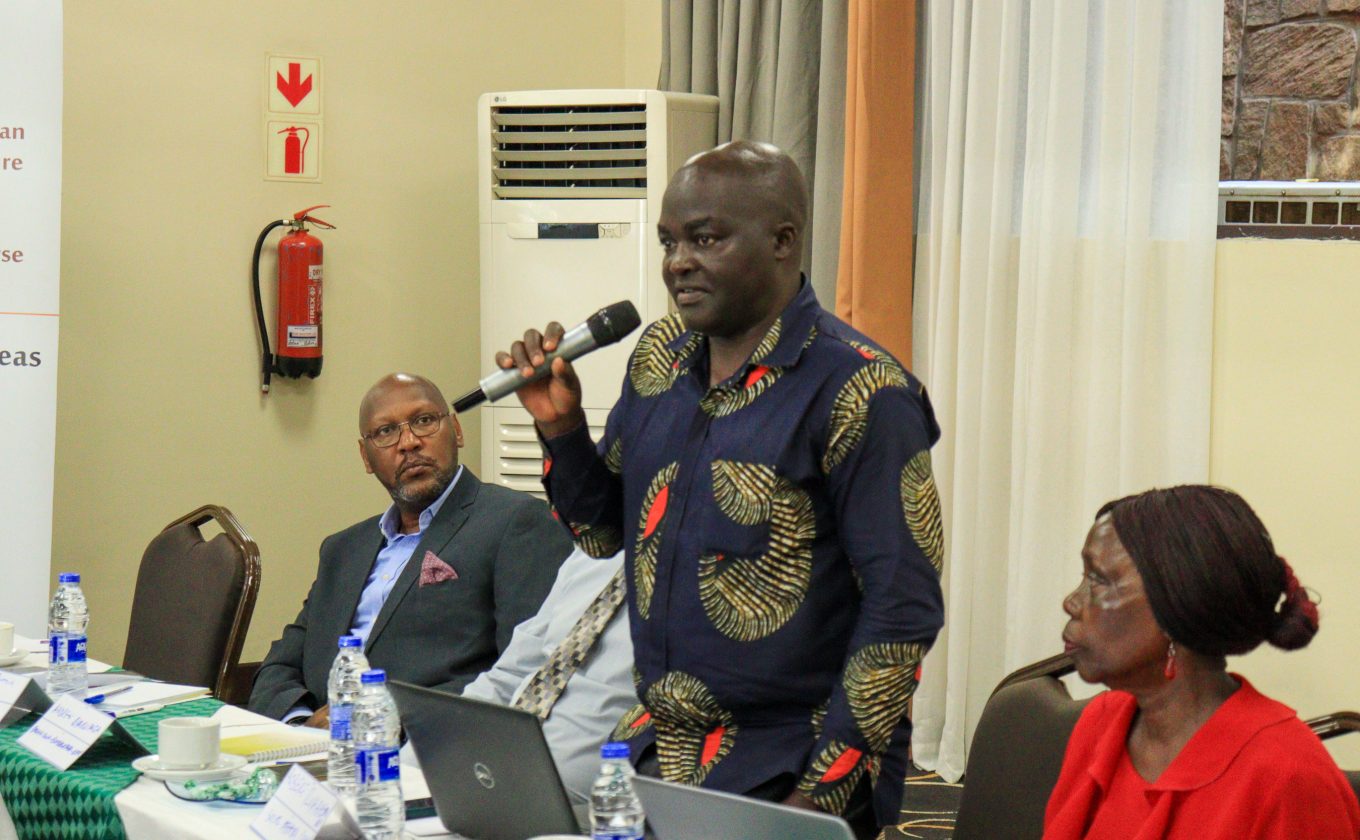
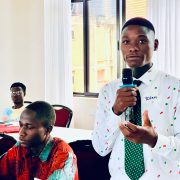
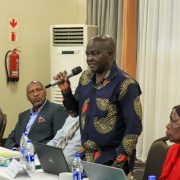
On Friday, 23rd January 2026, the Cross-Cultural Foundation of Uganda (CCFU), in partnership with the Ministry of Gender, Labour and Social Development (MGLSD), convened a one-day meeting of the Technical Planning Committee of the Council of Traditional Leaders in Africa (COTLA) – Uganda Chapter at Protea Hotel, Kampala. The meeting brought together Prime Ministers and technical representatives from 18 cultural institutions under the COTLA Uganda Chapter to review, harmonise and finalise their collective and institution-specific annual plans.
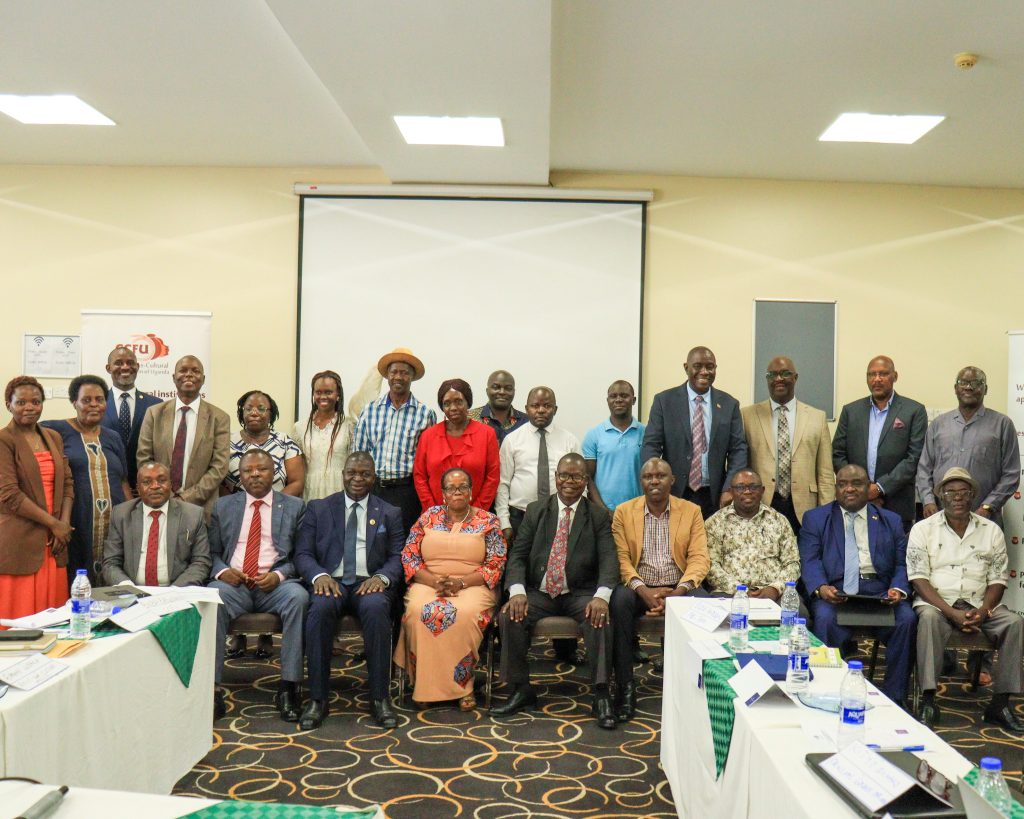
The meeting aimed to ensure that the plans of cultural institutions are aligned with the COTLA Strategic Plan (2023–2026), with a particular focus on the use of cultural resources to address Sexual and Gender-Based Violence and to promote Sexual and Reproductive Health and Rights (SRHR), especially among young people in schools.
Emphasising the relevance of culture in driving social change, a representative of CCFU noted that “cultural institutions remain powerful agents of social transformation. By grounding interventions on SGBV prevention and SRHR in culture, we are not only preserving heritage but also using it deliberately to protect the dignity, rights and wellbeing of women and girls in our communities.”
During the meeting, representatives from the cultural institutions shared draft plans developed in consultation with their technical teams at the community level, outlining priority activities, implementation approaches and indicative budgets. Through guided technical discussions, participants reviewed and refined the plans to ensure they were realistic, cost-effective and implementable by the end of March 2026.
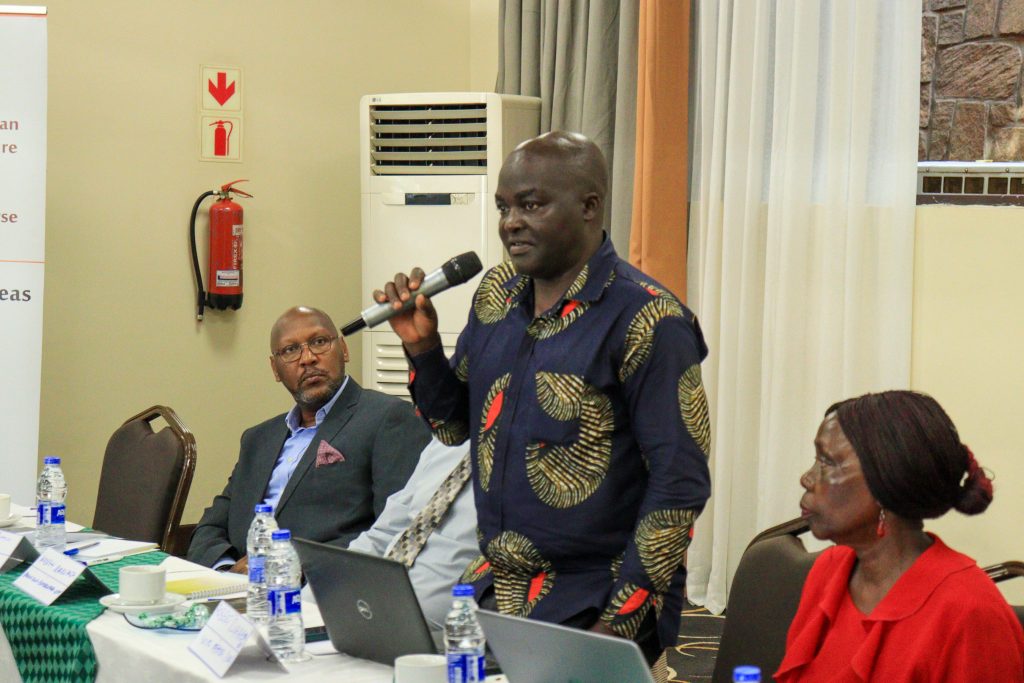
Reflecting government commitment to this approach, Ms Sharon Nakafeero, the Commissioner for Gender from the Ministry of Gender, Labour and Social Development, observed that “the Government recognises culture as a critical entry point for advancing gender equality and social justice. This engagement with cultural leaders strengthens national efforts to address sexual and gender-based violence and ensures that Sexual and Reproductive Health and Rights are promoted in ways that resonate with community values.”
The discussions further underscored the critical role of cultural institutions in shaping social norms, values and behaviours within their communities. Participants reaffirmed their commitment to leveraging positive cultural values, indigenous knowledge systems and leadership structures to prevent SGBV and to promote informed, rights-based conversations around SRHR, particularly among learners and young people.
Speaking on behalf of the cultural leaders present, Mr Richard Obbo, the Deputy Chairperson of the COTLA Uganda Chapter, stated, “as custodians of culture, we have a responsibility to guide our communities towards positive norms that protect our children and respect the rights of women and girls. With this support, we are ready to translate our plans into action and demonstrate that culture can be part of the solution.”
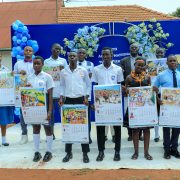
The meeting was organised under CCFU’s Culture for Her Project, which seeks to strengthen the capacity of cultural institutions, their communities and the COTLA Uganda Chapter to promote gender-equitable social norms, attitudes and behaviours that prevent SGBV and advance SRHR in schools. The project is implemented in collaboration with the Ministry of Gender, Labour and Social Development and the COTLA Uganda Chapter, with financial support from UN Women in Uganda.
At the close of the meeting, participants agreed on clear next steps, including the finalisation of revised plans with detailed budgets and implementation timelines. Cultural institutions committed to fast-tracking internal consultations to ensure timely implementation, while CCFU and its partners reaffirmed their continued technical support to enhance coordination, learning and impact.