


The Heritage Education Programme (HEP), a Cross-Cultural Foundation of Uganda (CCFU)-
founded programme aimed at tapping the interest of young people in promoting their cultural
heritage by establishing heritage clubs in schools, has further expanded its footprints in Albertine
graben with the support of TotalEnergies EP Uganda. This follows the training of 33 teachers
and resource persons from 15 schools in Nwoya and Buliisa districts, as part of the activities of a
third-year of funding to the programme from TotalEnergies.
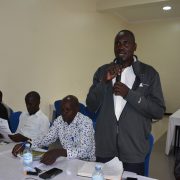
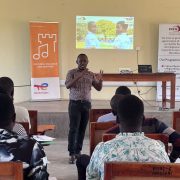
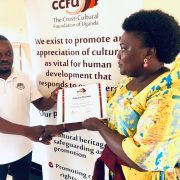
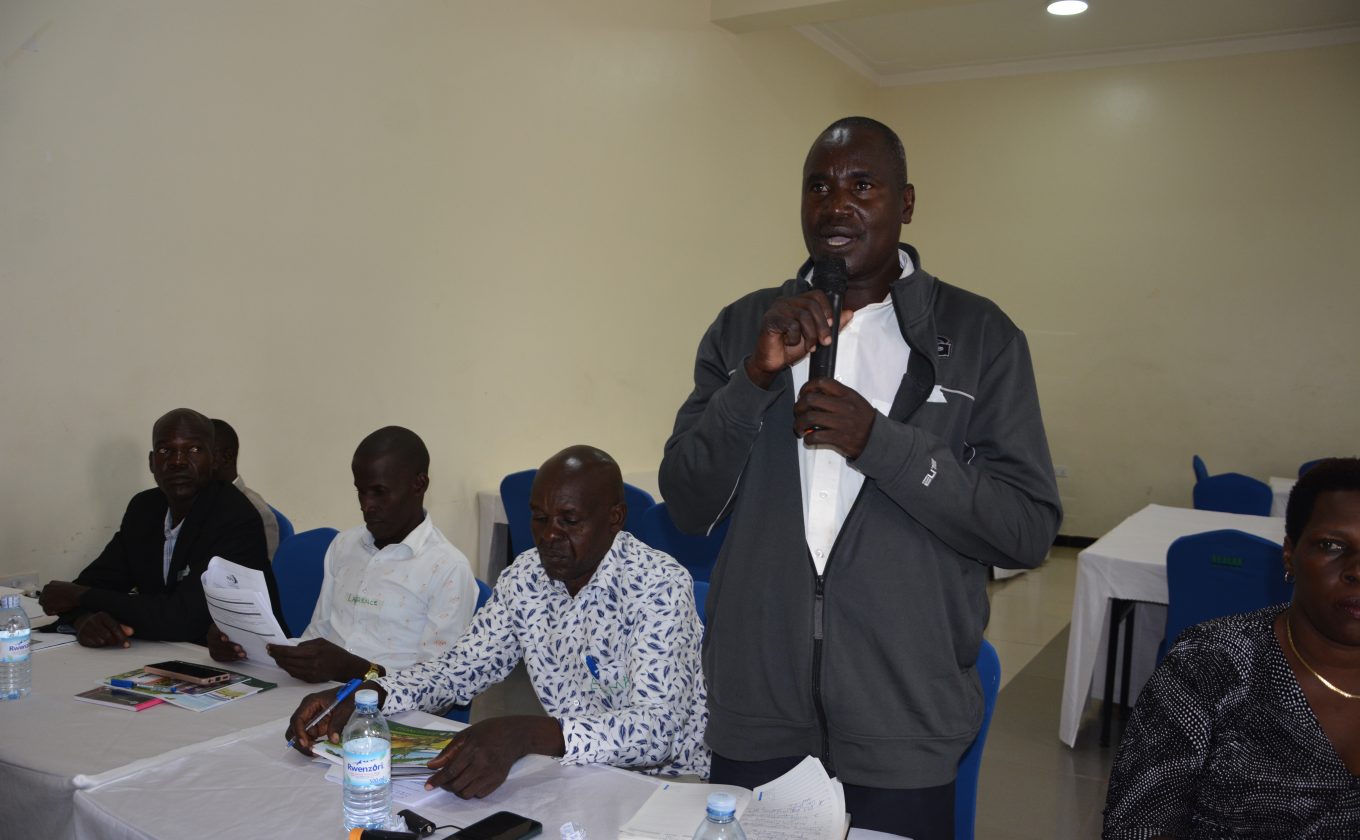
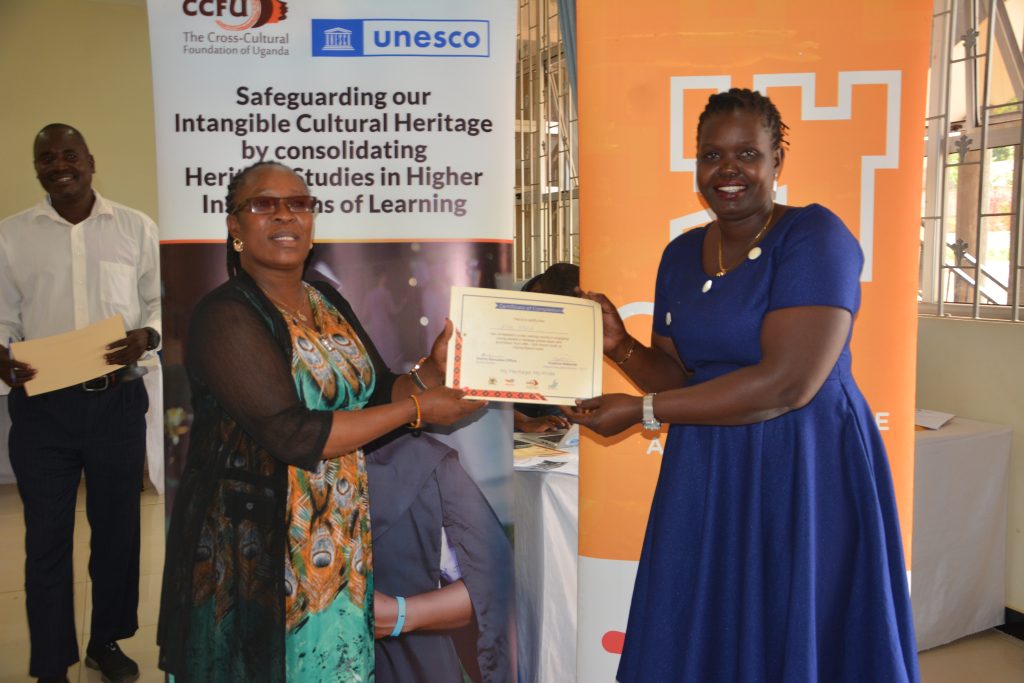
The three-day training held at Hoima Resort Hotel has equipped participants with knowledge and
skills to establish and manage 15 new heritage clubs. This will bring the total number of heritage
clubs in both districts to 70 (from 55), ever since the programme started getting support from
TotalEnergies EP Uganda in 2023.
The heritage education programme started in the year 2011, with 12 schools and 3 museums in
the three districts: Kabale, Jinja and Kibale. But has since expanded to 253 schools and 21
museums across the country. Over 500 teachers and resource persons have been trained. Of
these, 188 are from Nwoya and Buliisa; 106 and 82 respectively.
“We are building the capacity of teachers and resource persons to be able to engage and enhance
young people’s appreciation of their cultures,” says Mr. Fredrick Nsibambi, CCFU’s Deputy
Executive Director.
“The schools have been equipped with knowledge and skills to promote the development of the
cultural heritage resources in their vicinities and raise the profile of cultural heritage nationally.”
According to Mr. Simon Musasizi, CCFU’s Programme Manager, the TotalEnergies-supported
project has for the last two years supported Nwoya and Buliisa districts to provide a platform for
the young people to express their cultures, by organizing the district level Music, Dance and
Drama (MDD) competitions. The winners are given costumes, music instruments and cash
prizes. Last year, the project introduced the “People’s Choice Award”, to be chosen by the
audience (not the adjudicators) from the competition’s poor performing schools, who are
awarded with a full set of music instruments.
This has built the confidence of young people and enhanced their appreciation of their cultures.
Further still, the project has enhanced access to documented oral histories of the Bagungu and
Acholi, with the production of publications such as the “Endangered Musical Heritage in the
Albertine Graben”, “The folk stories of the Bagungu”, and the HEP toolkit/learning manual for
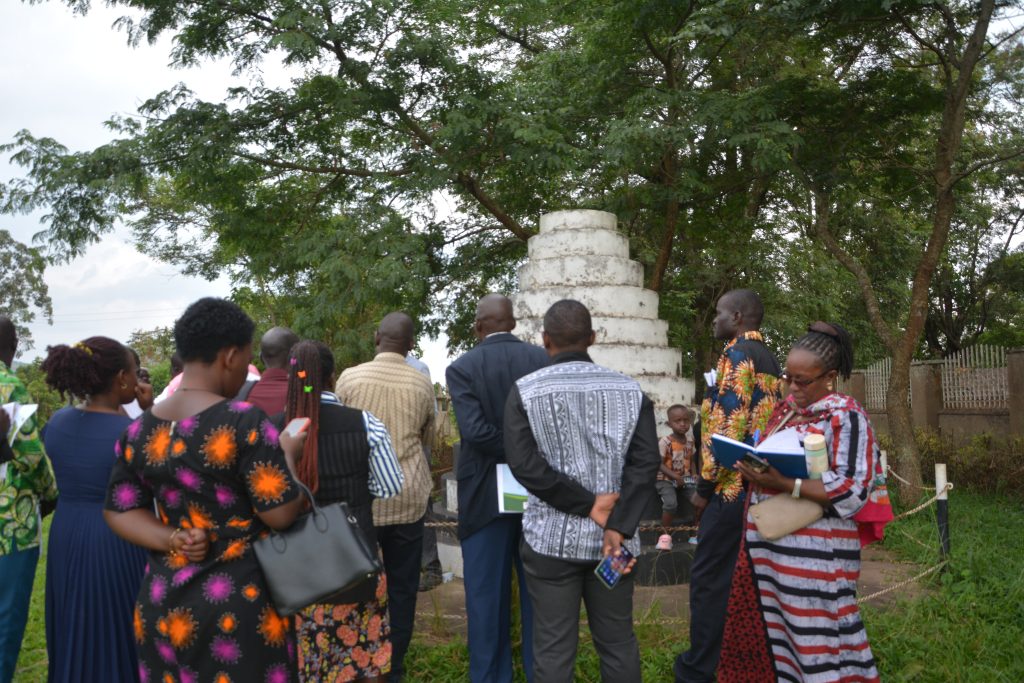
primary schools. Additionally, over 5 schools have started mini museums to act as research and
heritage education learning centres.
“There is already feedback from teachers and school management of improved school retention,
given the conducive learning environment created by young people getting involved in cultural
activities such as music, dance and drama through the heritage clubs. Some clubs have created
income-generating opportunities for young people as some clubs have been hired to perform at
functions and others have been able to sell some of their club products,” observes Mr. Musasizi.