


15 years ago, a simple idea took root at the Cross-Cultural Foundation of Uganda: what if young people could learn about culture not as something distant or outdated, but as something living, relevant, and powerful?
Today, that question has been answered, not in theory, but in lives.
So, where are the alumni of the Heritage Education Programme?
They are entrepreneurs.
They are cultural practitioners.
They are educators.
They are tourism operators.
They are community leaders.
They are heritage ambassadors.
When the programme began, it was modest, just 10 schools, each with at least 50 students per heritage club. That meant roughly 500 young people at inception.
As of 2026, the programme has expanded to more than 200 schools across Uganda, reaching over 10,000 young people over the years.
Through heritage clubs in primary and secondary schools, learners engage in hands-on activities such as: Art and crafts, pottery, music, dance and drama, Traditional games, Museum collections and exhibitions, among others.
These activities are guided by a structured heritage education toolkit that explores holistic themes including identity, cultural rights, livelihoods, and environmental sustainability.
But beyond the activities, something deeper happens: young people begin to see themselves differently.
Where are they now?
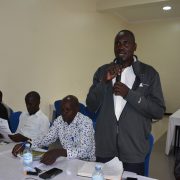
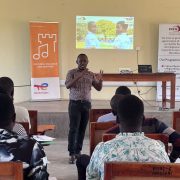
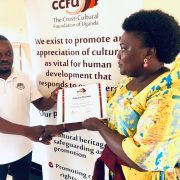
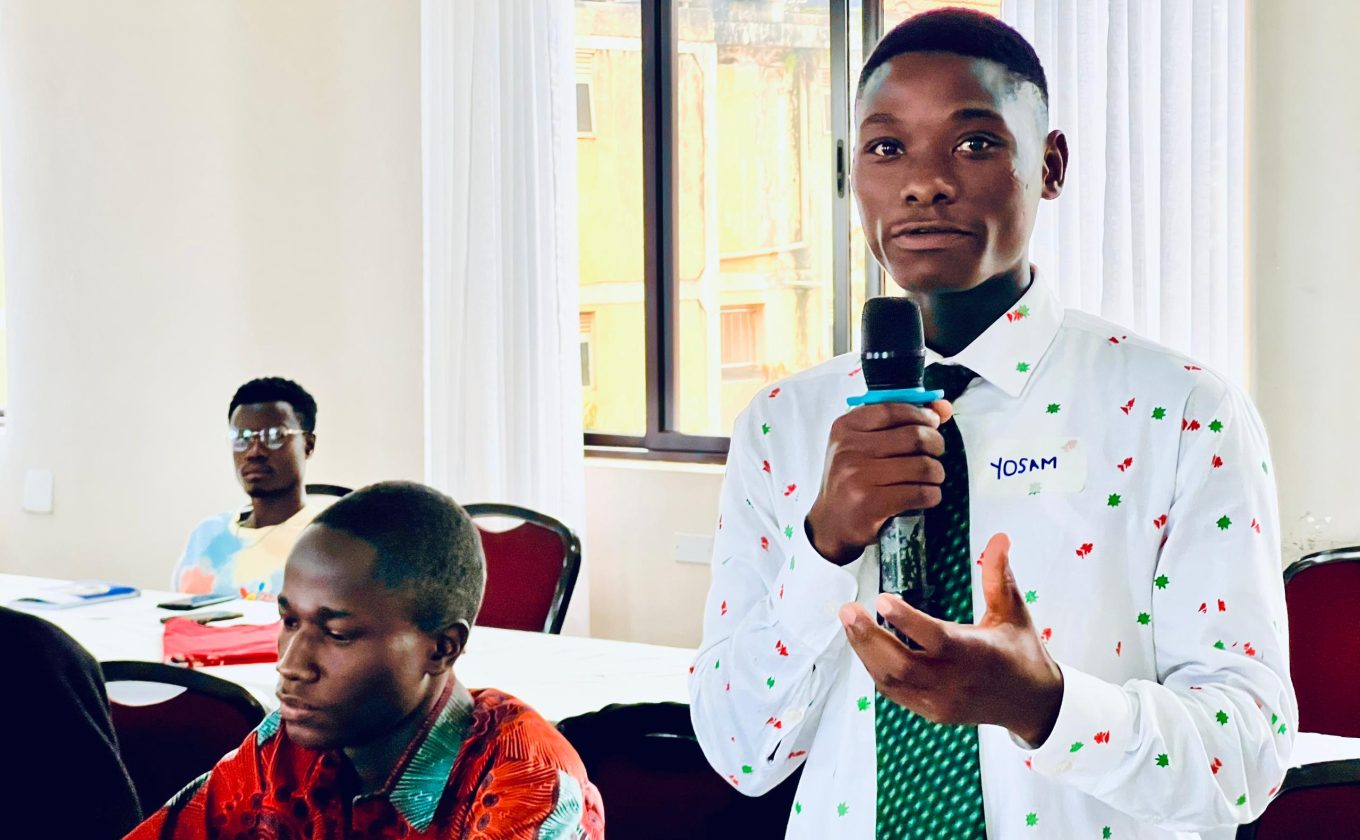
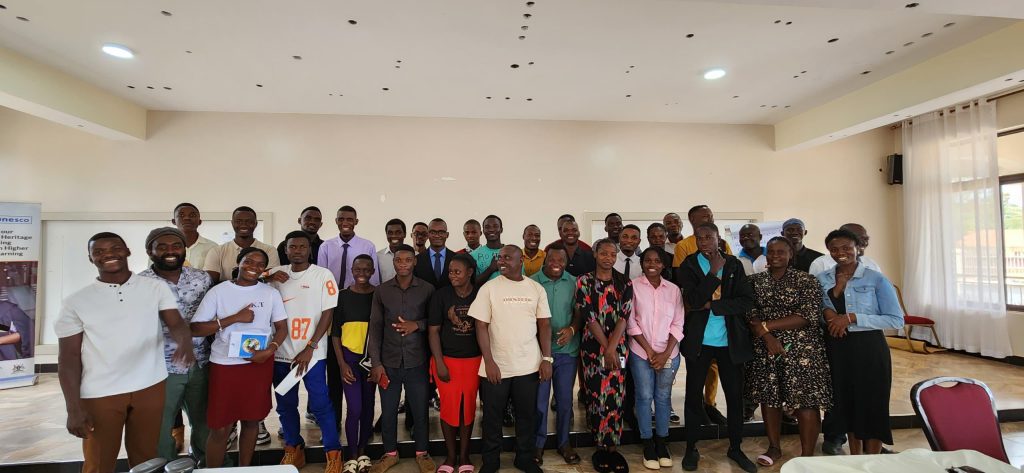
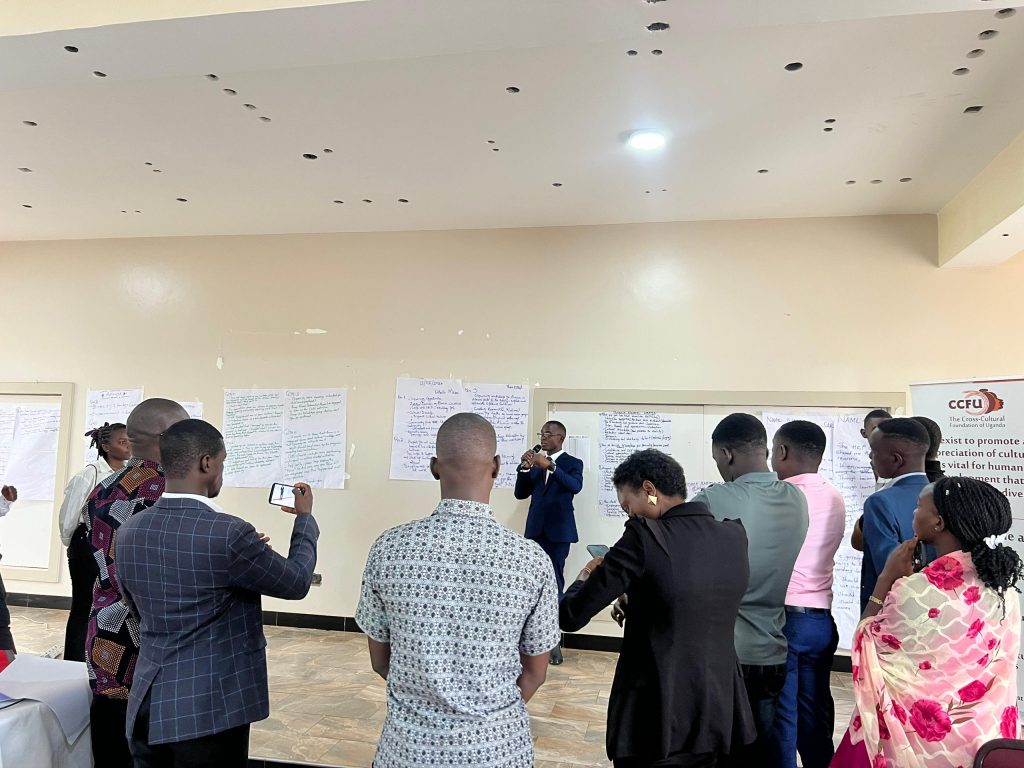
In February 2026, CCFU convened 30 alumni in Masaka for a two-day reflection meeting. The purpose was to reconnect, to listen, and to learn.
What are they doing now?
How did the programme shape them?
And could an alumni association help carry the vision forward?
One message stood out clearly, participation in the Heritage Education Programme influenced who they have become.
Patience participated in 2016 at Bweranyangi Girls School in Bushenyi. Though she pursued a degree in Accounting, her journey took an unexpected turn. Today, she runs a cultural enterprise that trains refugees in art and crafts in Nakivale Refugee Settlement, transforming culture into both healing and livelihood.
Kevin, a former club president at Mother Kevin Secondary School in Jinja, is now a respected tour operator. He founded Travel Bird, a tour agency that promotes cultural tourism and showcases Uganda’s heritage to visitors.
After participation at Sacred Heart Secondary School, Kiteredde in Kyengera, Andrew chose to pursue a Bachelor of Heritage Studies at Kyambogo University. He went on to establish Nova Centre, a nonprofit dedicated to promoting intangible cultural heritage. His long-term dream? To one day serve as Deputy Executive Director of CCFU.
Having served as club president at St. Joseph’s Secondary School, Nkoni, Michael now works with the Buganda Kingdom as the national Speaker for the Nkobazambogo Association, bringing together Baganda students in institutions across the country.
And there are many others. Alumni who trained as teachers are now establishing heritage clubs in their own schools, including Kabale Trinity College and Birere Secondary School in Kabale and Isingiro districts.
For many participants, the programme challenged a common misconception that culture is backward or conservative.
Instead, they discovered that culture is dynamic. Creative. Economically viable. A source of pride and opportunity.
Heritage education did more than teach about the past. It shaped identity. It nurtured leadership. It sparked curiosity. It opened career paths. It ignited entrepreneurship.
It planted seeds.
And as with all seeds, growth does not happen overnight. Sometimes, we do not immediately see the full extent of what has been planted.
We are beginning to see the seeds.
CCFU is now working with alumni to establish an Alumni Association, a space to connect, mentor current students, strengthen the programme, and serve as heritage ambassadors across Uganda.
Because heritage education is not only about safeguarding culture.
It is about shaping confident, creative, and socially conscious young people who understand where they come from, and who are ready to shape where the country is going.
Fifteen years on, the story continues.
And the seeds are still growing